The Kowa Anamorphic 16-H review completes the top-tier Kowa family. I stack them against each other to see if we can spot any differences between the three, or if it's all online hearsay!
USEFUL LINKS:
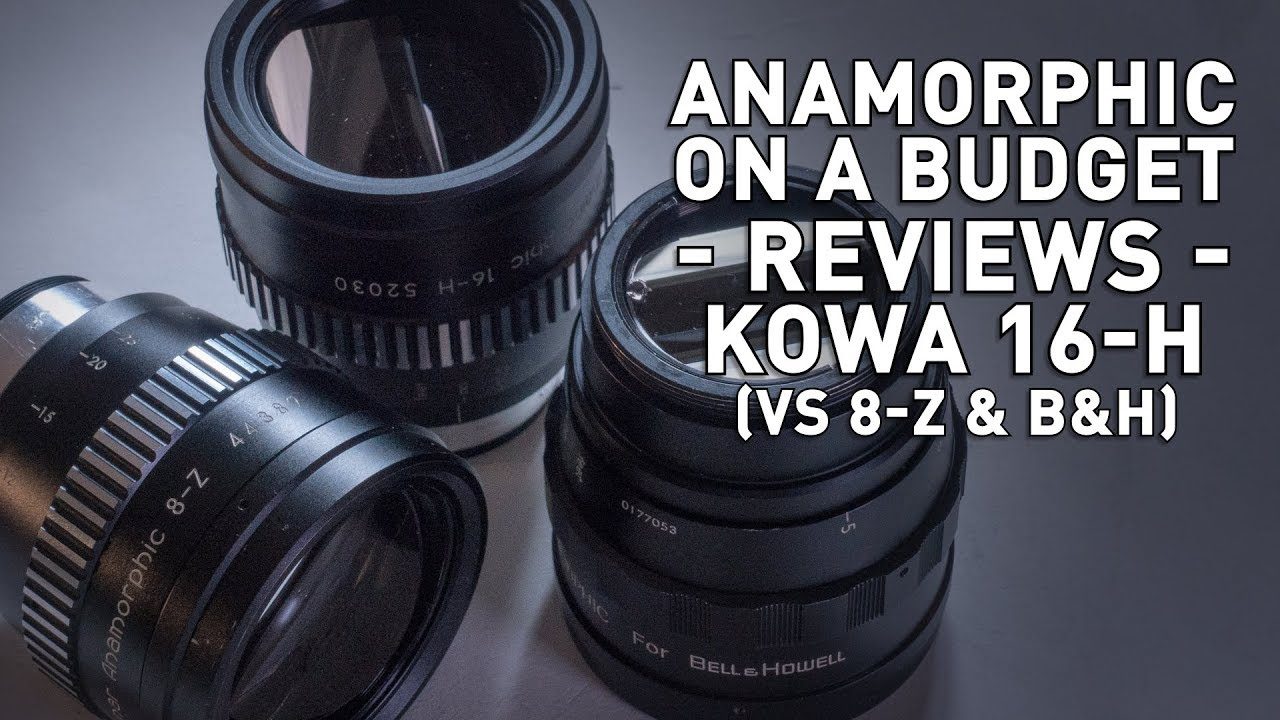
The Kowa Anamorphic 16-H review completes the top-tier Kowa family. I stack them against each other to see if we can spot any differences between the three, or if it's all online hearsay!
USEFUL LINKS:
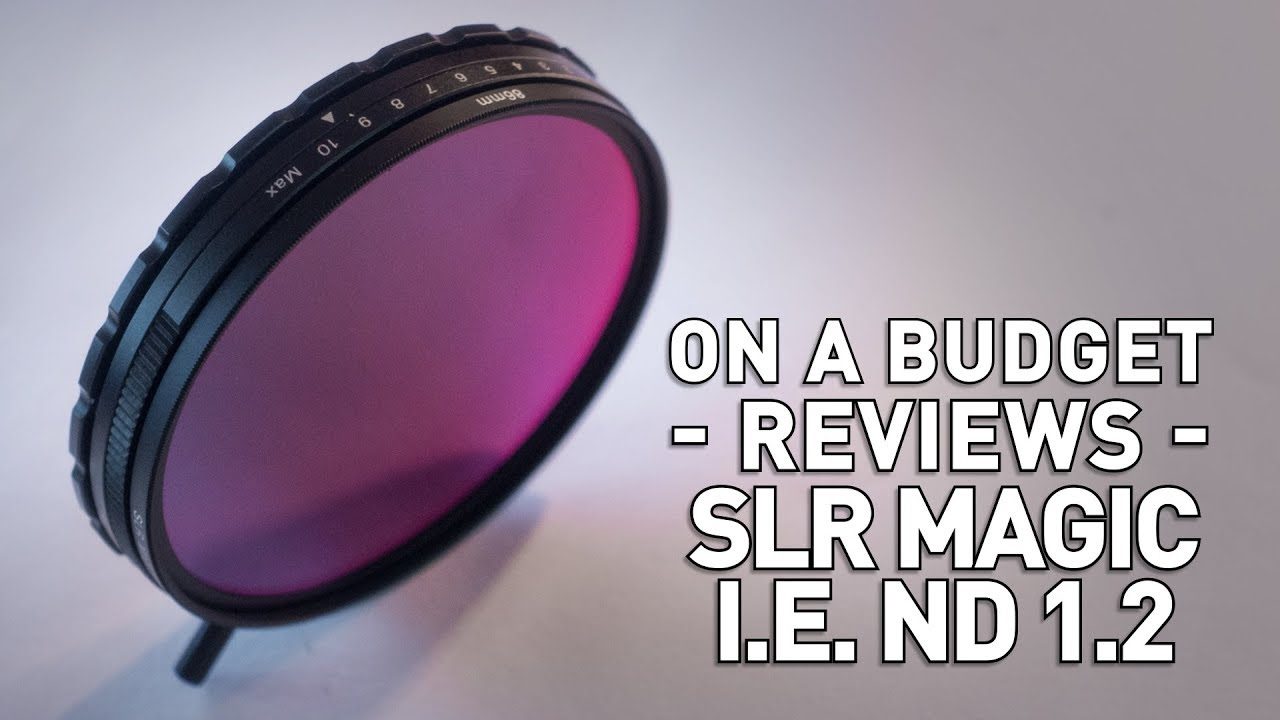
The 4-stop SLR Magic IEND 1.2 filter aims to boost SLR Magic's Variable ND MkII up to 10-stops as opposed to the original 6.
USEFUL LINKS:
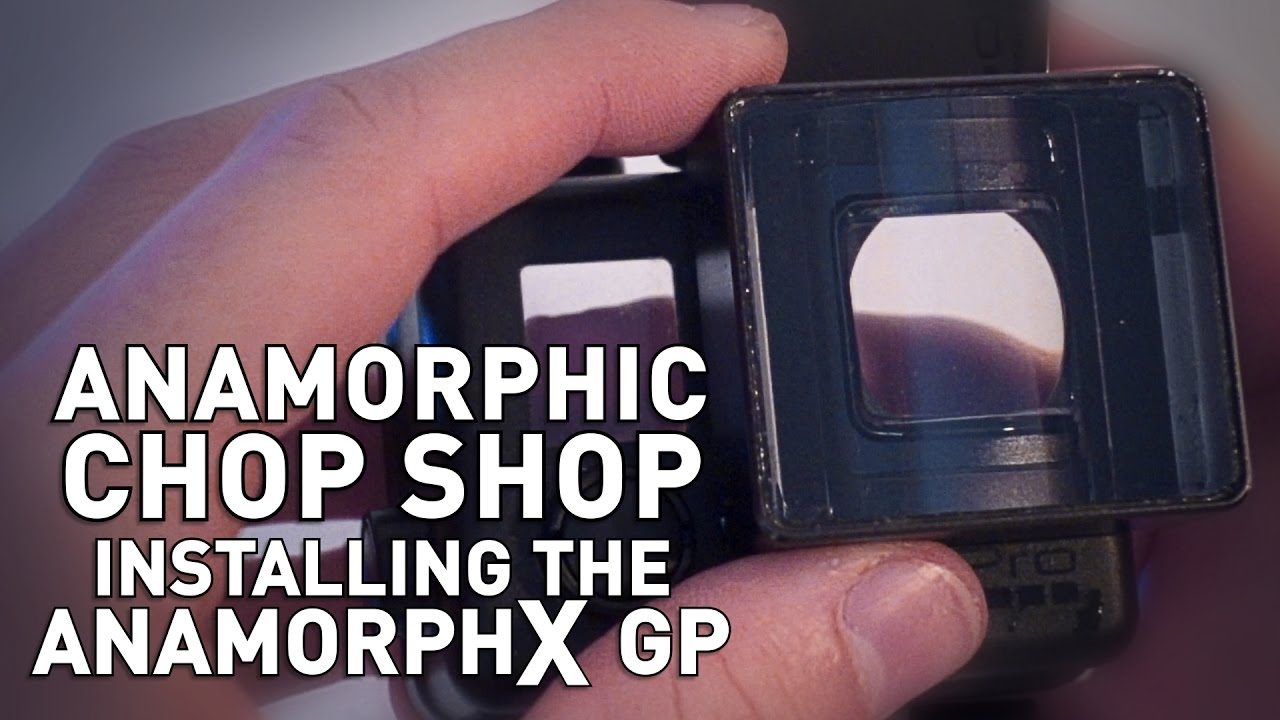
Here's a quick guide on installing the AnamorphX-GP on your GoPro shell to make it anamorphic. The process takes no longer than a couple of minutes!
USEFUL LINKS:
All the RED links on this post are part of eBay's Partner Network, so if you purchase anything through them, you're helping me to keep this project going.
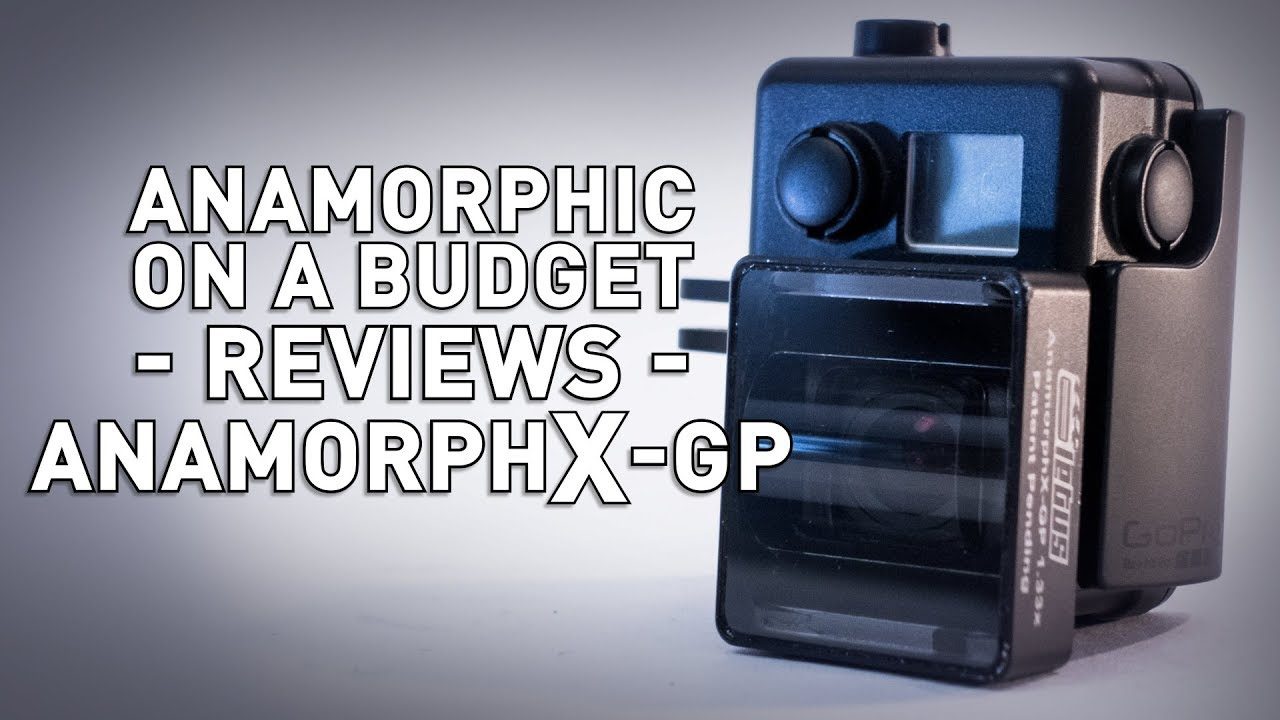
It's time for a change of perspective! Let's go with a very mobile adapter: the AnamorphX-GP let's you shoot anamorphic with your GoPro. Make your adventures even more cinematic!
USEFUL LINKS:
Tito Ferradans back here with Anamorphic on a Budget! You didn't think I was gonna go away so easily, did you? In the past few months I spent all my time directing a short-film. Up & Away, the one I was asking for help in the last video. Speaking of that video, I got feedback about my looks and how they are more important than my work. From there I got a snazzy haircut and I'll be wearing this super fancy suit to present all future episodes.
Anyway, thankfully some of you helped us out on Indiegogo. That was enough for us to get things done. It was an epic experience to direct a sci-fi short. The crew was better than anything I could dream of. We're now off to festivals and that's why y'all have to wait before it shows up here on the channel.
We shot Up & Away on the Blackmagic Cinema Camera. That's 2.5K RAW, using a pair of Iscoramas and a set of Contax Zeiss as taking lenses. The Sigma 18-35 with the Cinemorph filter was our savior for the widest shots. Everything worked out seamlessly.
Now to the good stuff. I'm back with the weekly episodes. Among the next ones you can expect a review of the Iscomorphot Inflight 16/1.75x, a review for the Kowa 16H and comparison with the other top tier Kowas (8Z and B&H), plus a review of the Kowa 16D and the much anticipated Rectilux HardCoreDNA. Pretty much all of these episodes were made in collaboration with people that watch this channel. They were kind enough to lend me their lenses for a decent amount of time. If you're feeling generous, get in touch and I would love to experiment with your lenses too! I'm also coming up with anamorfake guides for other Russian lenses and maybe even some non-Russian-but-dirt-cheap glass!
It feels good to be back! Let me know, by posting in the comments, if there's anything specific you want me to cover. You can still help by sharing the videos and subscribing to the channel!
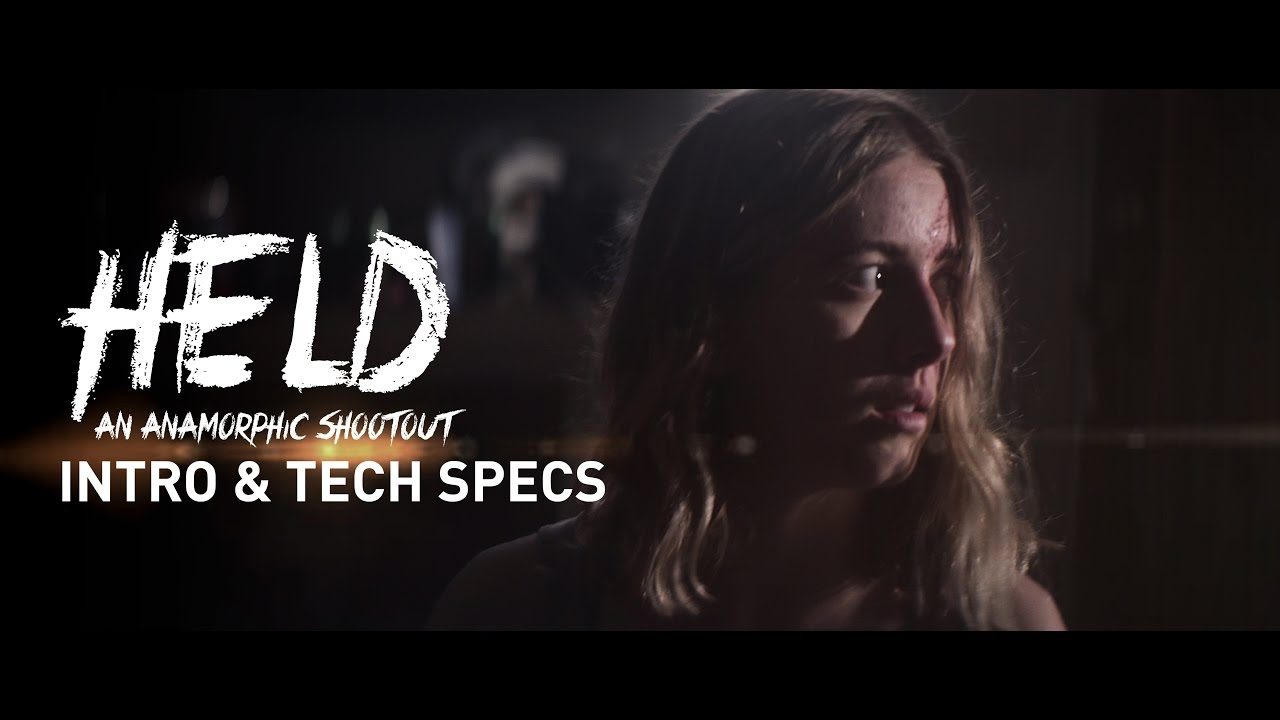
A girl is held captive, but she won't give up easily.
Held is a narrative lens test. The goal is to see if the performance of single focus adapters for anamorphic lenses influence the understanding and feel of the story. Gear specs below.
Starring Ben Clay and Tavia Cervi
Produced and Directed by Tito Ferradans
Director of Photography: Renata Batistini
1st AC: Keaton House
Production Sound: Tyler Gilbert
Original Music: João Gabriel Rodrigues
Special Effects Make-Up: Natalia Peixoto
Special Thanks to Ariana Saadat and Matt Leaf.
Camera: Sony A7s II, 4K 24fps EOSHD Log
Taking Lenses: Contax Zeiss primes (50/1.4, 85/1.4 and 135/2.8)
Anamorphic Adapter: Kowa for Bell & Howell
Single Focus Solutions: SLR Magic Rangefinder, FM Lens, Rectilux 3FF-W
USEFUL LINKS:
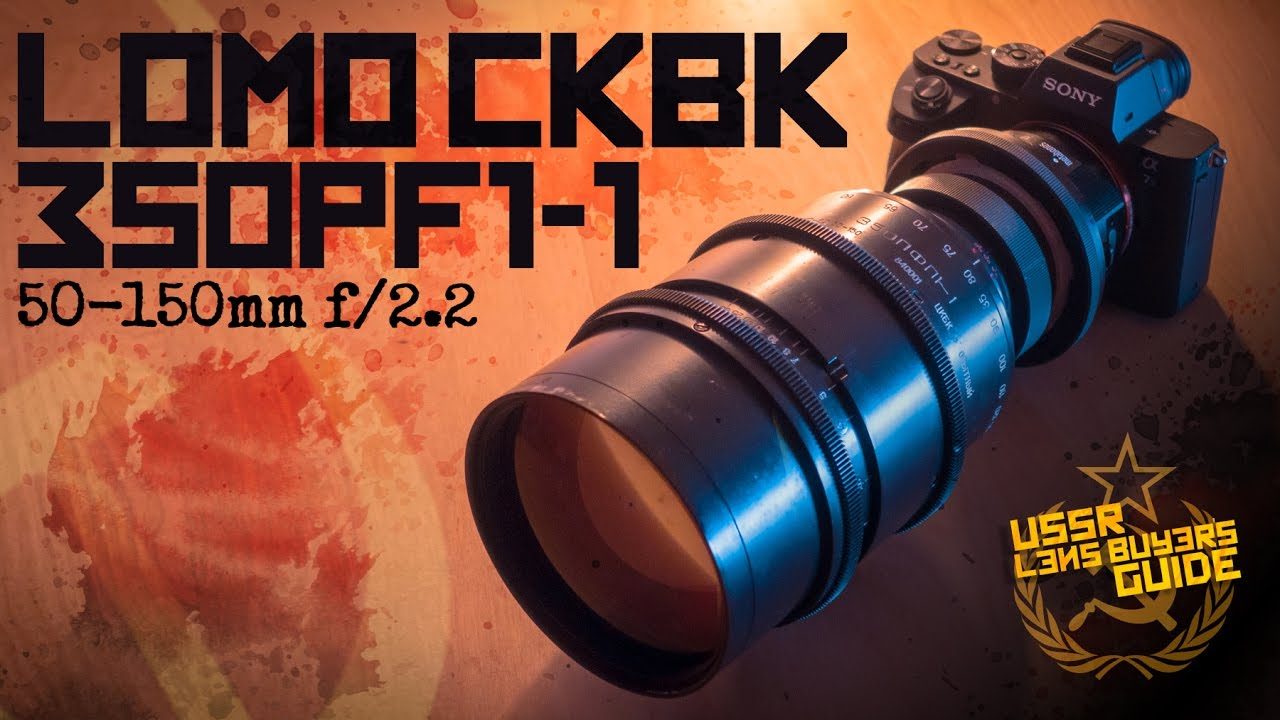
It was by pure chance that I ended up with TWO huge LOMO zooms a couple of years ago. One of them was the LOMO 35OPF18-1 20-120mm T/3.3. The lens is an absolute monster - as you can see side by side with Canon's EF 70-200mm f/2.8L. But the subject of today's post is the much smaller 35OPF1-1.
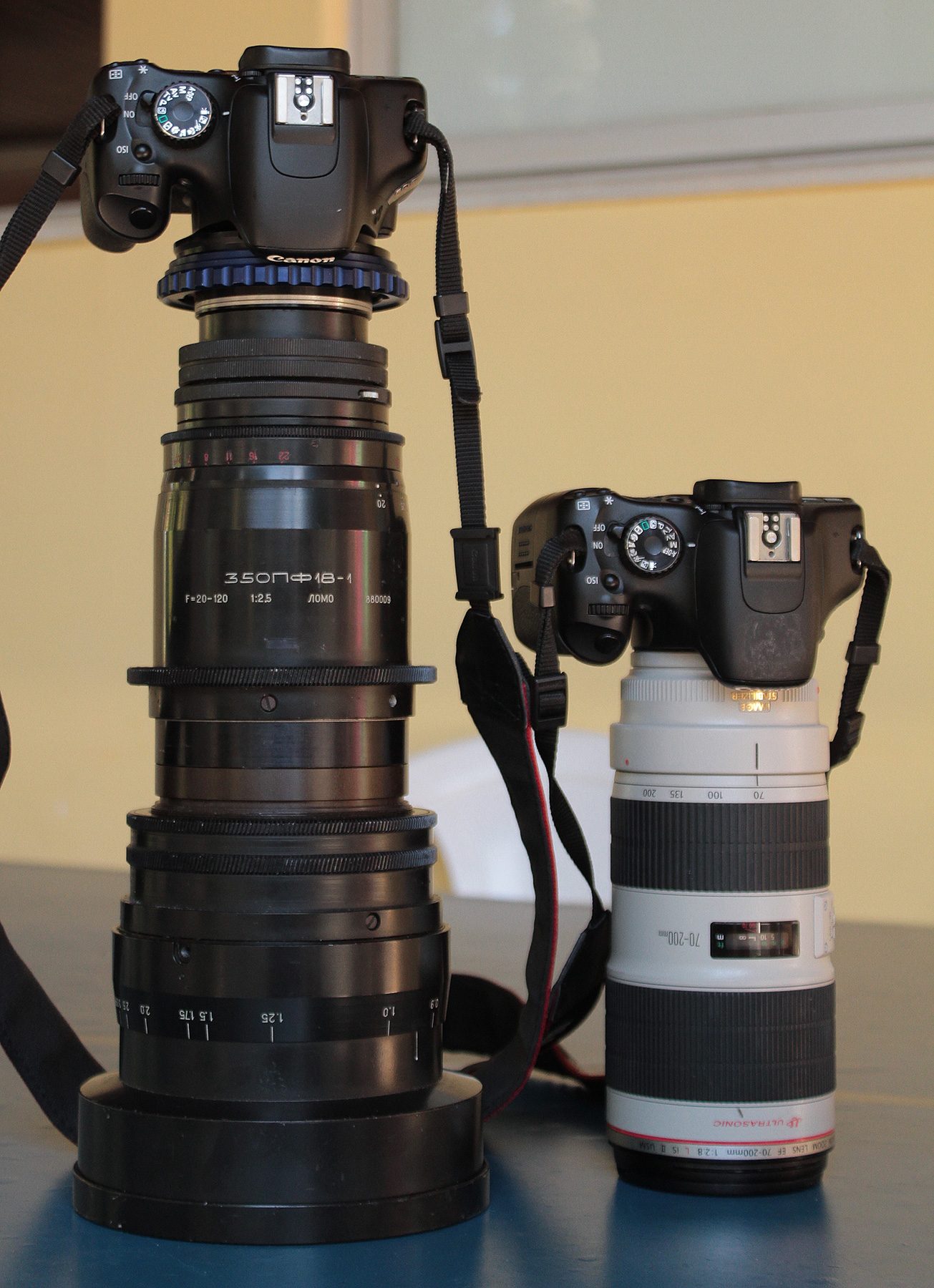
LOMO's 20-120mm vs Canon's 70-200mm.
This is NOT the lens I'm reviewing here!
This is a big one, coming in a big metal case full of Cyrillic writing. The 35OPF1-1 is a 50-150mm designed and made in the experimental optics factory CKBK. The same factory responsible for the superspeed LOMOs and some of rares anamorphics ever. This 1984 model comes in OCT-19 mount. OCT-19 is the Russian version of the PL mount, sturdier, of course. I'm using an OCT-19 to EF adapter.
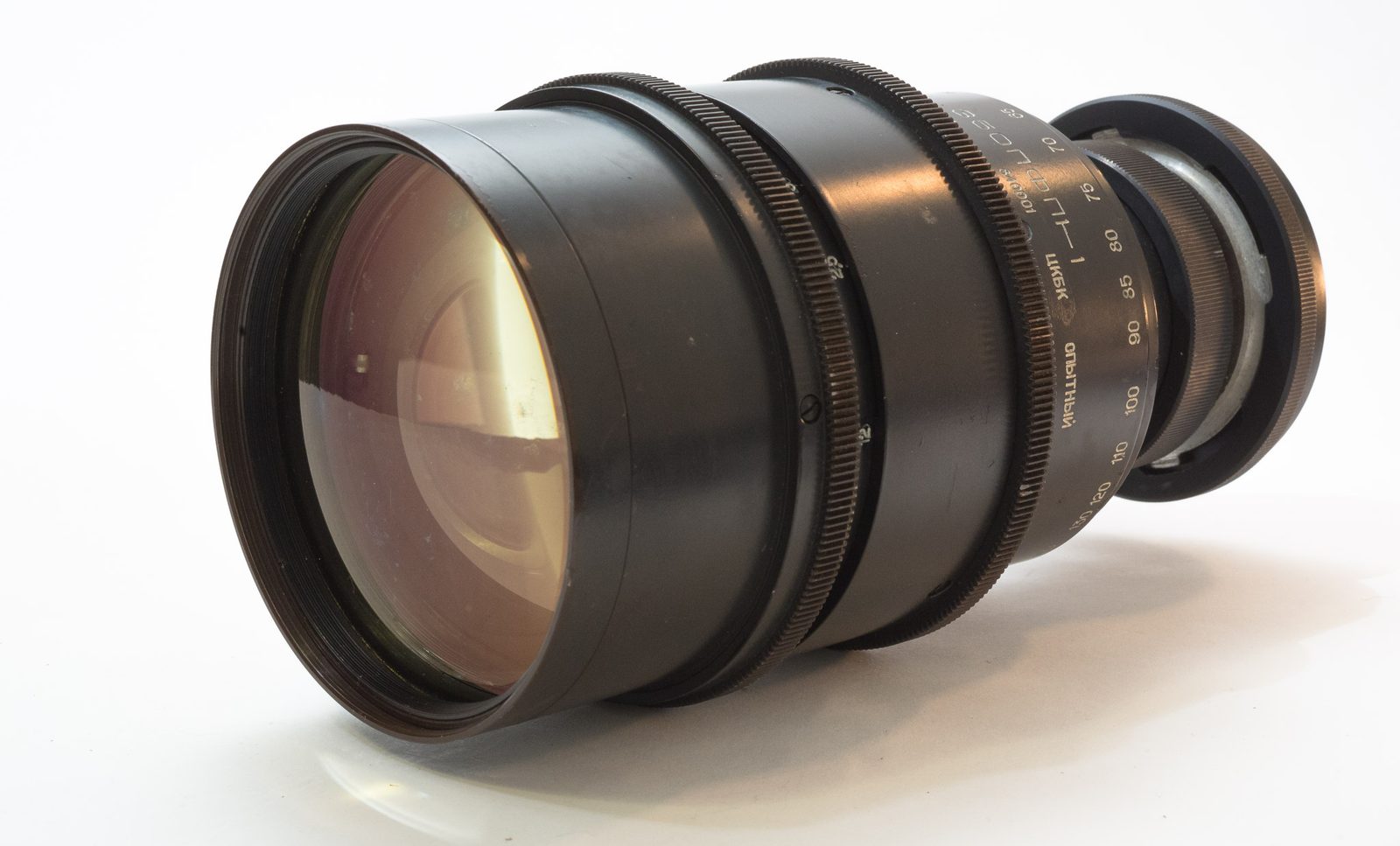
As a film lens, it was designed to cover a film frame, meaning S35 coverage. On full frame you get lots of subtle vignetting and some not so subtle vignetting at the wider focal lengths. On S35 it delivers optimal performance.
Minimum focus is 1.2m (4ft) and aperture ranges from f/2.2 to f/4. T/3.3 to T/5.6 according to markings on the lens. Yep, it's a pretty limited aperture and I don't fully understand their reasons for it... Such narrow range ensures that the eight blades keep bokeh perfectly round through all values. All rings are butter smooth in this copy and the aperture ring is maybe even a bit too smooth. It offers no resistance to turning.
This beast weighs 3.5kg (7.7 pounds) and measures 25cm (10 inches) from top to bottom. The filter thread is 105mm and the full focus throw to infinity is 300 degrees.
My copy is plagued with fungus, though. It came like that from the previous owner. Fortunately, the parasites are already dead. They haven't grown at all in the years I've had this lens for. You can take a better look at the lens and the fungus in this album.
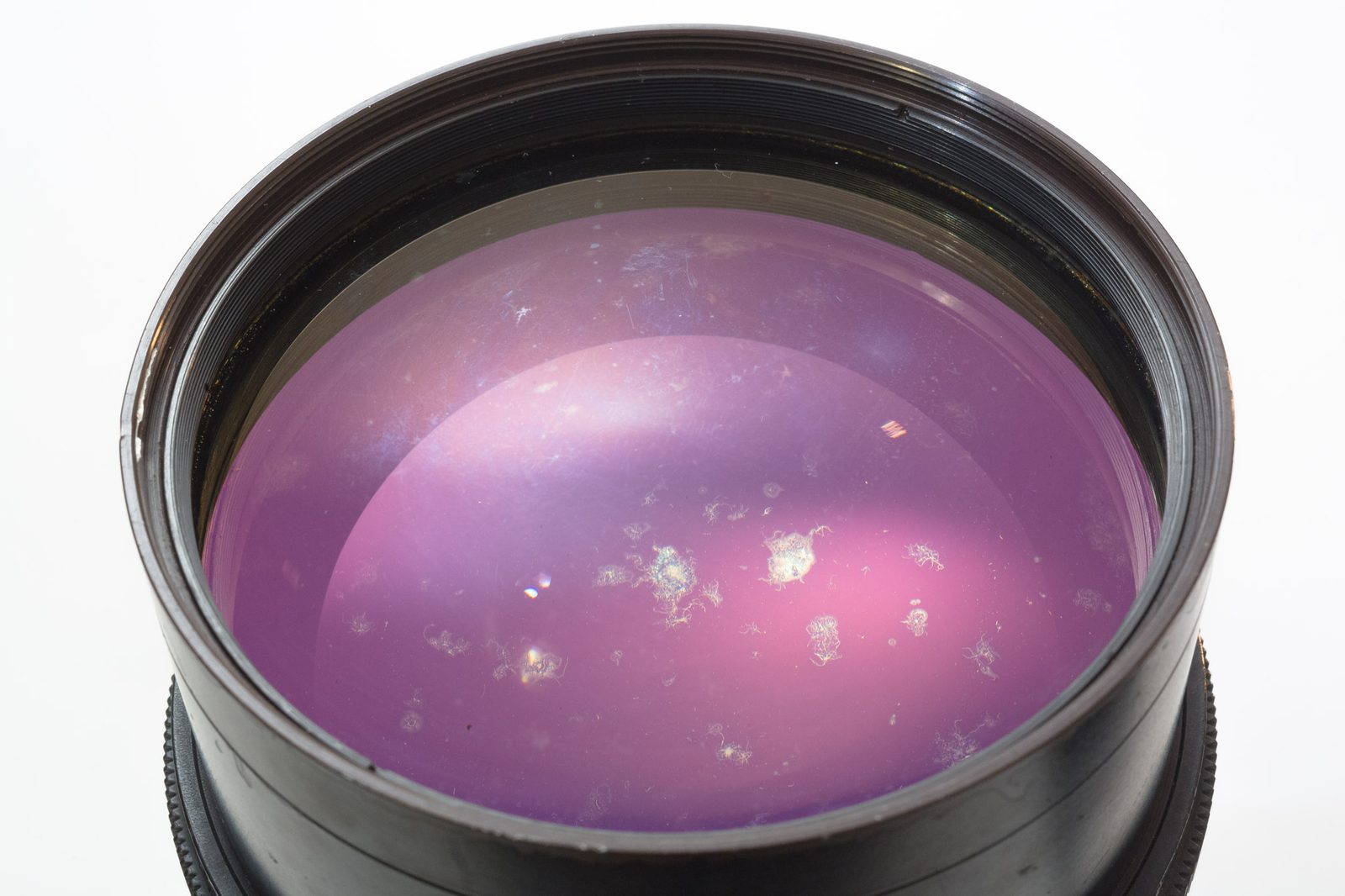 Oh nooo!
Every time I put this lens on I think I should find ways of making it work for me. I never think I should get rid of it. This lens delivers all the artifacts I work hours to achieve in post. But here they're at the perfect amount and much more organic than what I achieve in post.
Chromatic aberration is strong around the corners. Actually, pretty much on all high contrast edges at the longer end the blue channel splits from the others. You can spot that around Ariana's face in some of the close ups. It doesn't bother me so much, as it seems subtler on the focused areas.
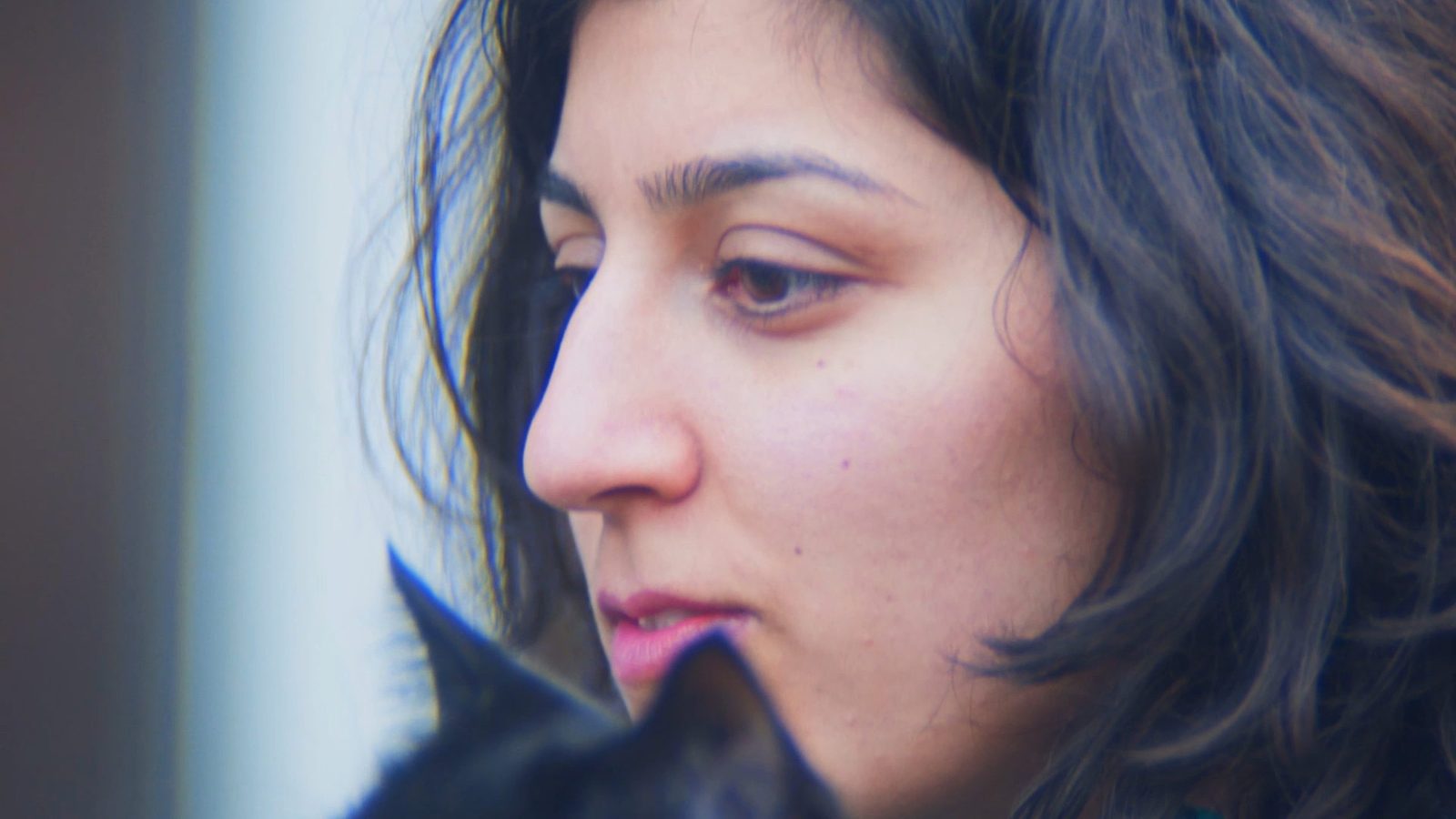
Speaking of focused areas, you can definitely tell when something is in focus. Even at f/2.2 and the roll off to the out-of-focus areas is milky and pleasant. It gives the image a dreamy quality that I seek.
Bokeh looks like soap bubbles - the famous and expensive trioplan look -, with sharper edges around the circles. In some shots you can notice a dark shape in the center of bokeh. That is being caused by the biggest fungus spot on the glass.
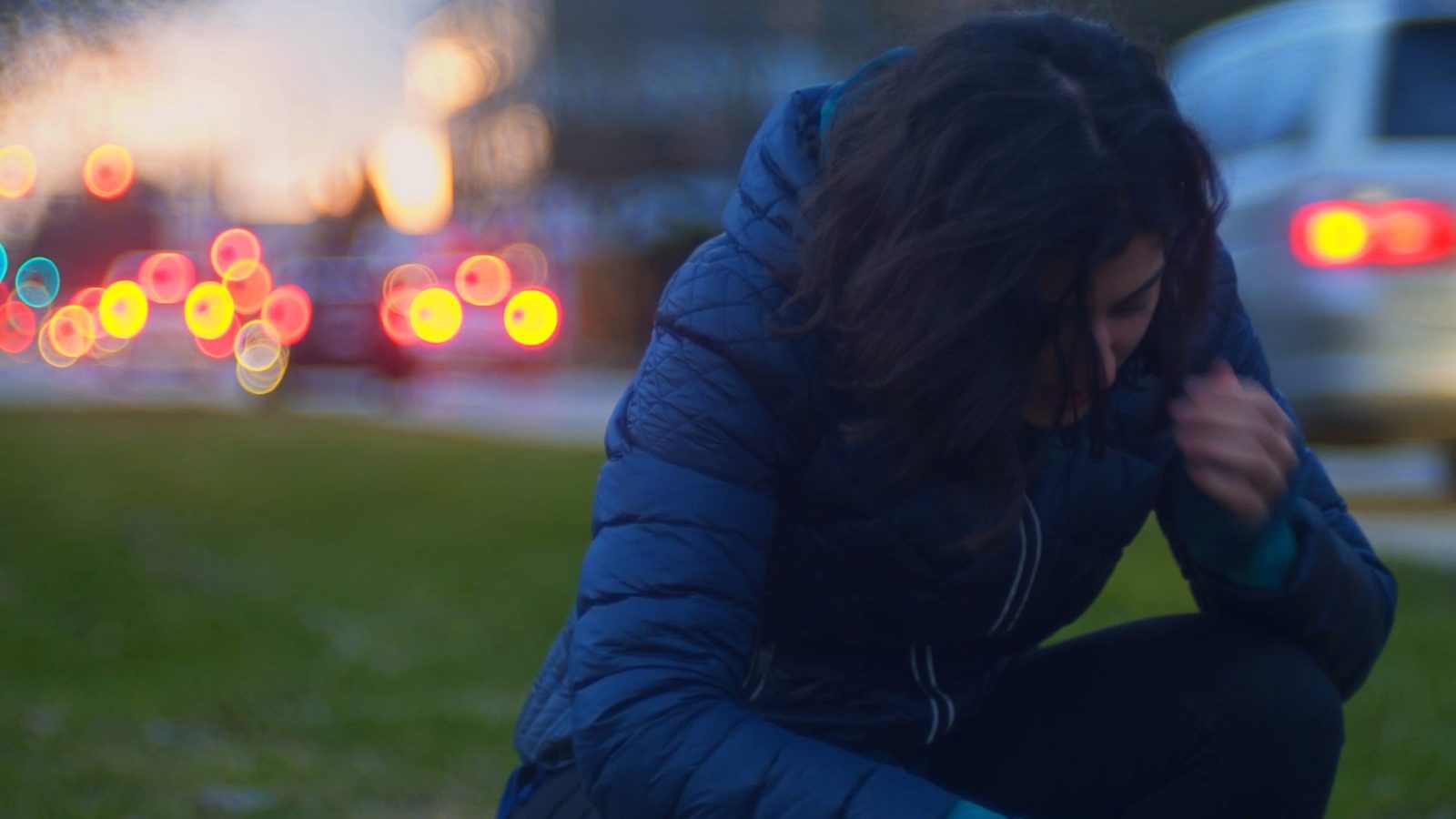
My favorite part about this lens is the blooming and flaring, definitely. You can spot it right away in all of the sunset shots and when strong light hits the glass. The warm tones and highlights bleed onto the darker foreground (mostly Ariana's face or jacket) in a way that I am yet to learn how to fake in post.
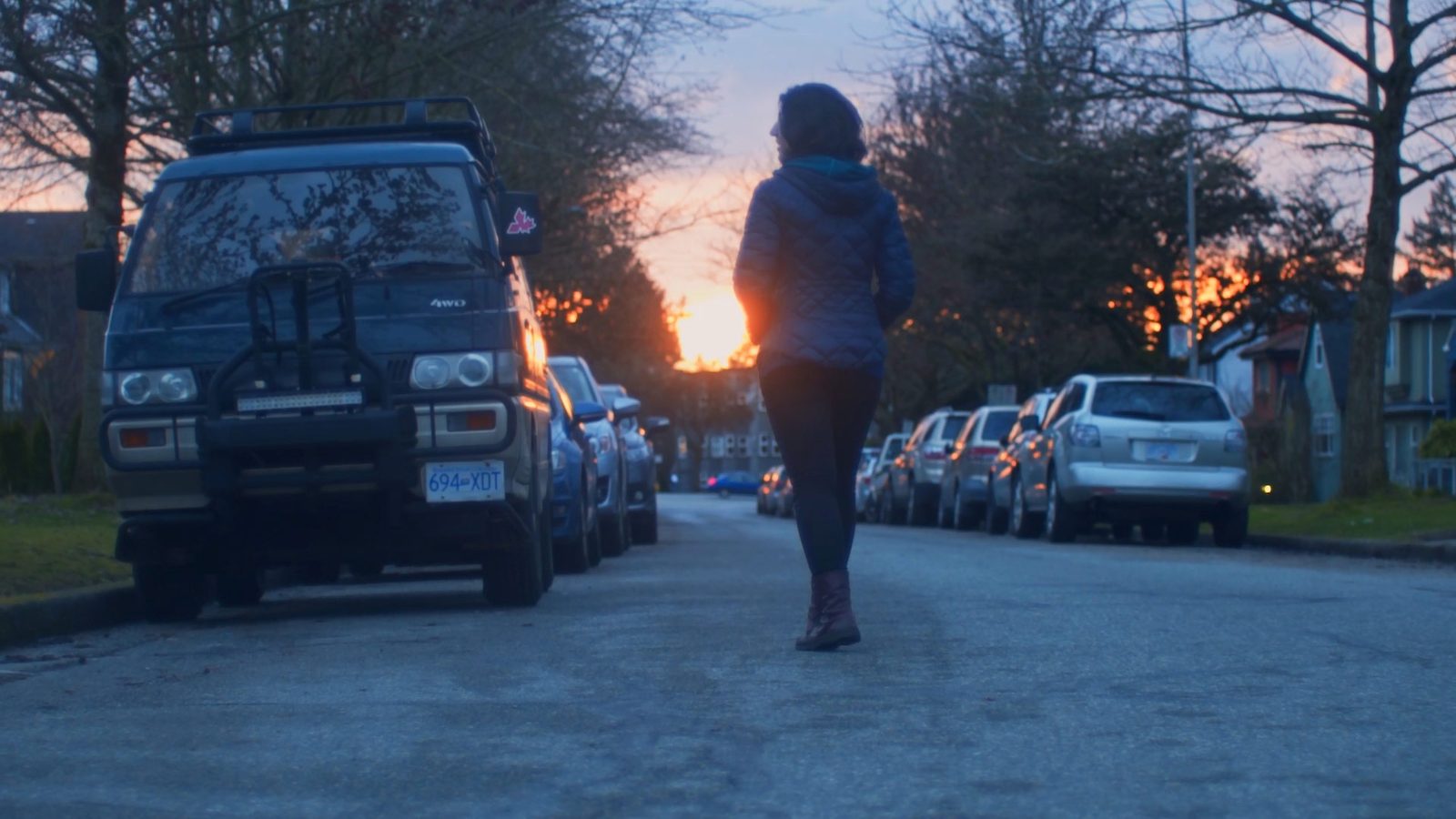
All of these artifacts combined give the lens a look that is the complete opposite of modern glass. I'm using this video as the supreme example of why I choose to shoot using vintage glass and pursue this road of unusual optics.
In terms of usability, this lens requires some sort of support system. From what I've seen in Olex's video of its turnaround, there is a Russian support, but mine came without it. So far, I've been working out my arms. If you want to use this in real life, you should really come up with a solution.
A good thing when adapting OCT-19 to modern cine cameras is that the mount is easily replaced with a PL mount.
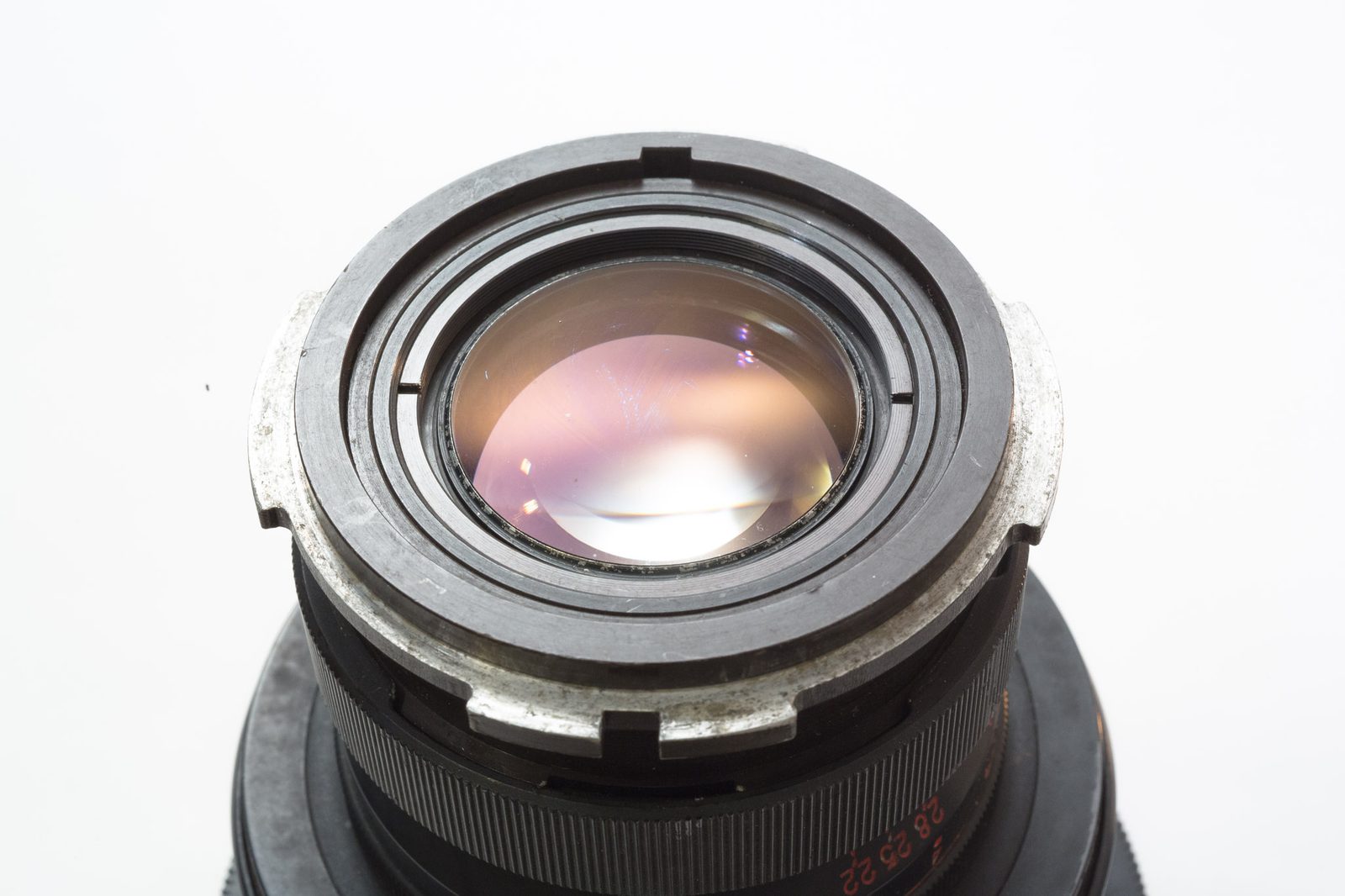 OCT-19 mount, a beefed up PL mount
Overall, this is powerful long zoom, going from a normal length (50mm) to super tele (150mm) able to keep a fast and constant aperture through its entire range. Size and weight are definitely a challenge if you're shooting run and gun, but not so much if you're used to cinema super zooms. All the optical craziness can be seen as a positive or negative factor, depending on how you like the look of your footage straight from camera.