Day-to-Day Anamorphic

Pickfair - Storyhive Teaser Trailer

September 19, 2016

In case you already forgot "The New Romantics", I'm working on a similar project, with pretty much the same team. "Pickfair" is a murder-mystery comedy set in Hollywood's early 20's. I don't think I've ever worked on something with such strong visuals. We shot it all at my place, with a tiny crew and super cool gear. I wrote a bit about the gear part for the production design and you can find that below.

Before going any further, click here and vote for us! (top right corner, no registration needed)

"Friends gather for a murder mystery dinner party, each playing a Hollywood personality. The theme: 1920s Luxury, like the exclusive dinners at Pickfair Estate. When they discover the "bodies" are actually going cold, the group turns amateur sleuth to solve the mystery so they can leave the party.... alive! Everyone is a suspect. Everyone has a secret. With the same zany, slapstick comedy as beloved classics "Clue" and "The Pink Panther” and the twisted reveals of an Agatha Christie novel, 'Pickfair' will keep you guessing — and laughing — until the very end."
anamorfake amber Russian lenses

Vintage setting, vintage optics

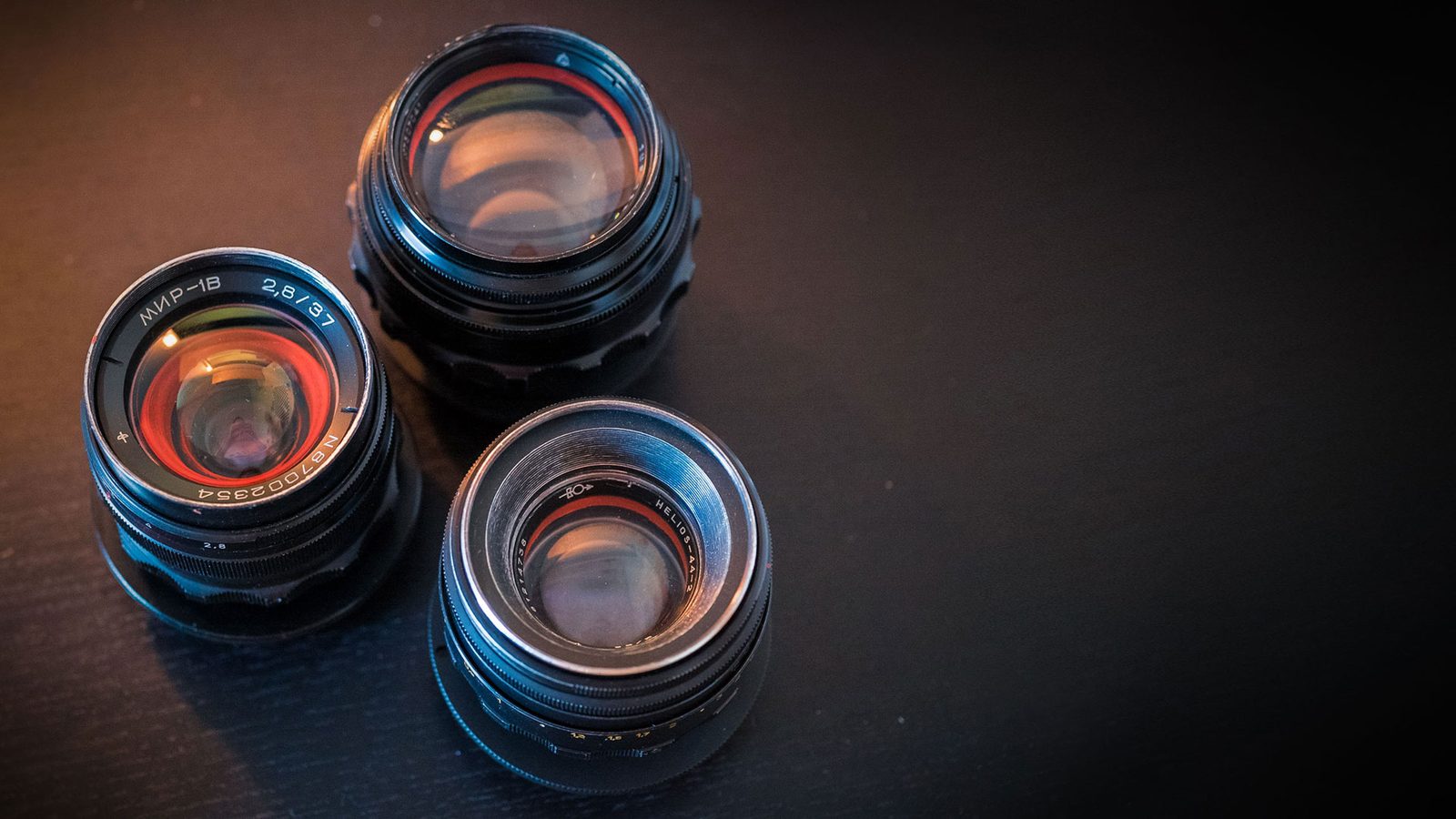
Modern lenses are all about embedded circuits, visual perfection, and lightning-fast auto focus. Efficient and easy, sure - but for "Pickfair" we decided to go in the opposite direction and use 40 year old all-manual lenses. These came all the way from the Soviet Union era. Under my hands they were cleaned and modified in order to boost certain artifacts. These artifacts or "imperfections" are key to setting the mood for the story.

We used three different lenses filming the teaser for "Pickfair", one from 1971, another from 1985 and the newest one is from 1987. They're a famous Russian trio of primes - Mir 1B, Helios 44-2 and Jupiter 9. I call them "ambers" because of the tinted glass and pieces inside the lenses that create warmth in the image. Like an endless golden hour!
iscorama pre36 rehoused by van diemen

Anamorphic: not a choice, a requirement

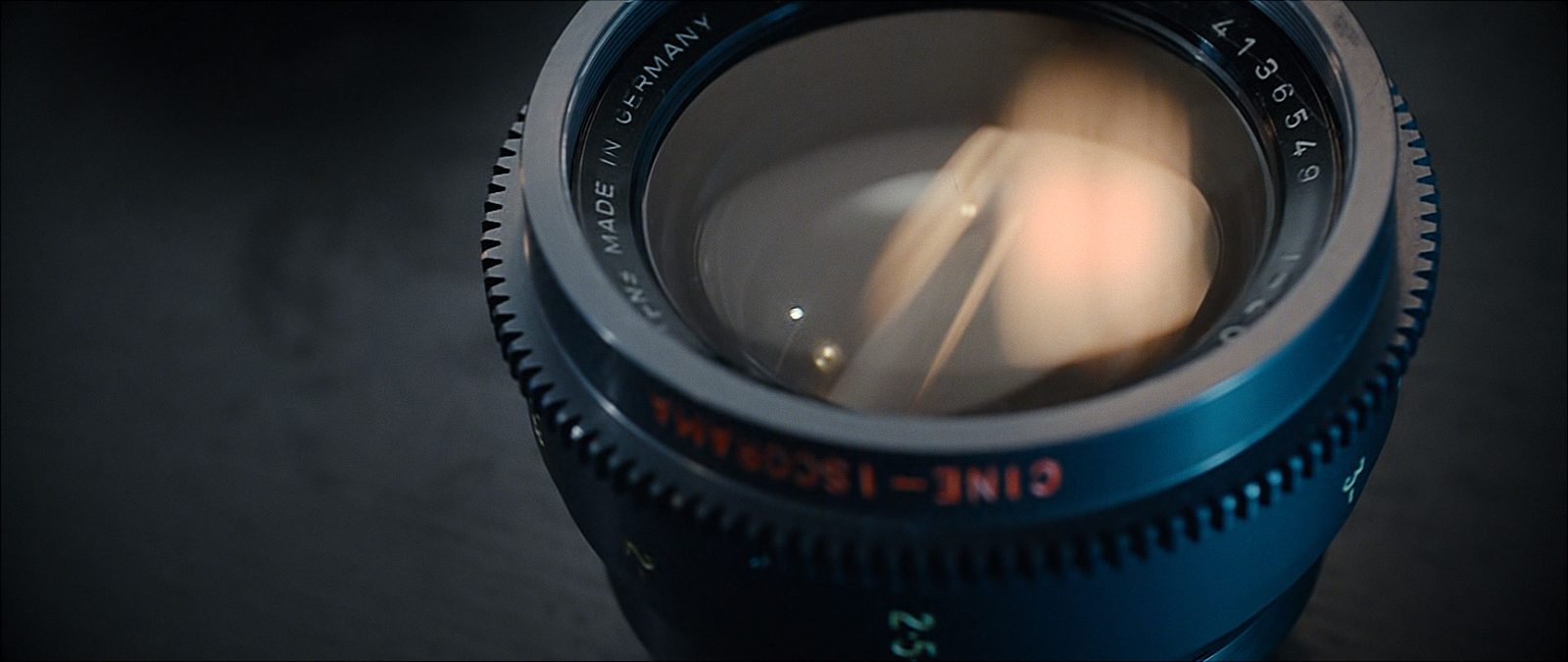
In early Hollywood movies needed distinction from TV. Anamorphic lenses created the legendary Cinemascope aspect ratio and remain in use to modern day. In combination with our vintage amber lenses we are using an anamorphic adapter to build even more character into the raw footage. We like to cook our look in-camera, not in post. Flares? Check. Lovely bokeh? Check. A more intense arms workout? Check!

Low lighting, practical lighting

To balance out all these old-timey optics, modern electronics come into play. we use the best camera technology available for shooting without massive light setups. Scratch that. For shooting exclusively with practical lighting; from meters and meters of twinkly lights, candles, small LEDs, flashlights and regular household bulbs combined with low-powered dimmers. I'll use the lights that anyone can get their hands on. Practical lighting also strengthens the bond with the Art Department towards visual unity - not to mention the time saved when changing setups without the need to hide tripods and wires!
ronin M

Flowing movement, character intimacy

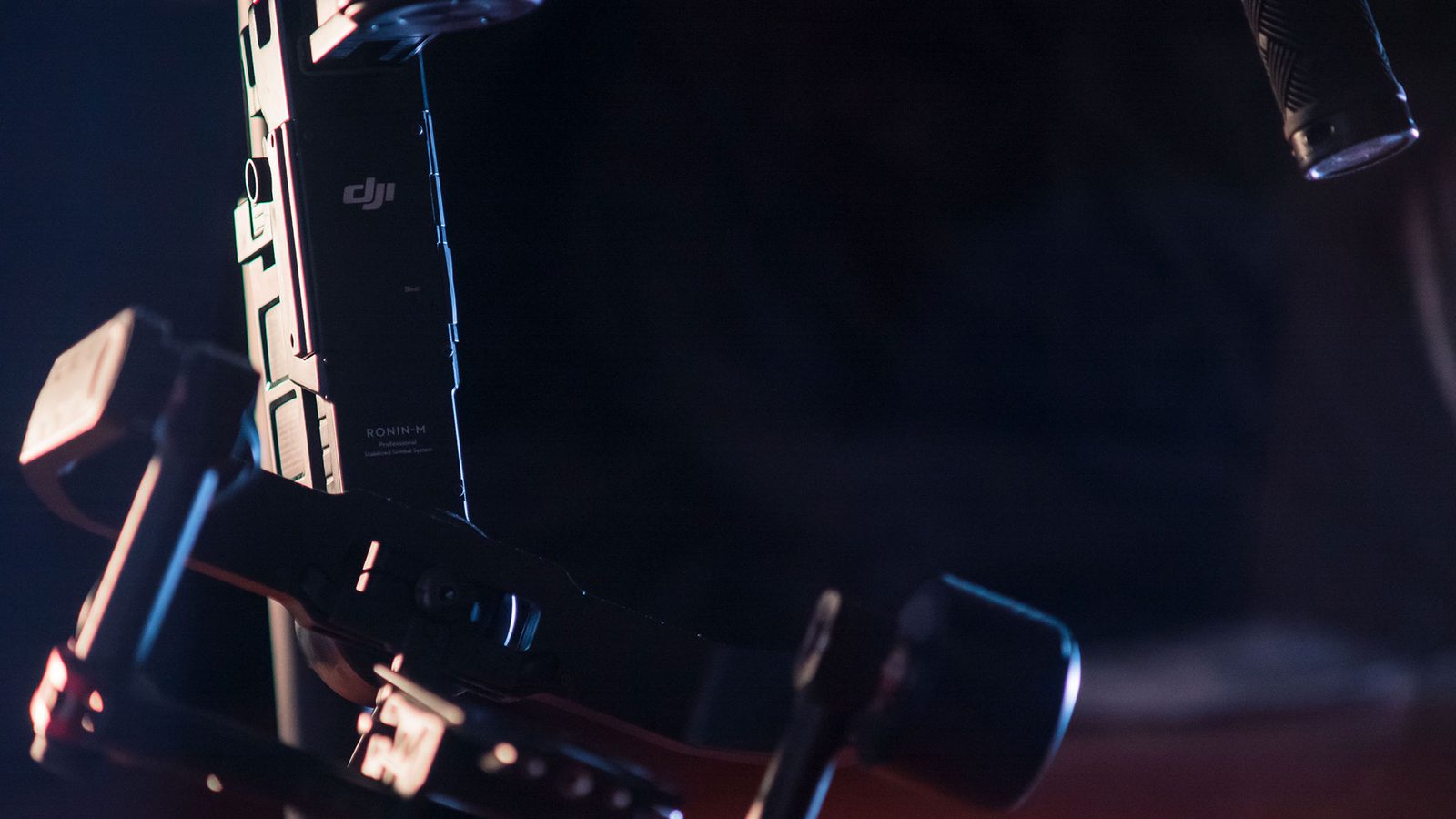
The opening shot of the teaser is exactly the feel we want to imbue in our audience, making you feel like you are a guest in the party, one who has maybe seen a little too much. To assist us on the technical side of that kind of movement we will be using a light gimbal. Using a gimbal frees the crew from big, heavy, gear (like steadicams), and needing special training. The gimbal is straightforward and allows movement over any type of terrain, in any way (on foot, bikes, cars or even airplanes!) - all while keeping the movement butter-smooth.

The gimbal is key to long, super-dynamic tracking shots that draw the audience in, melting the disconnect between the screen and viewer, keeping you in the action as if you were in the room - something you'll be sure to see in the "Pickfair" short!

Lastly, here's that opening shot, without any cuts, just for the sake of dynamic tracking shots fetish. We have mobile light sources, dimmer-controlled lights, wi-fi controlled LEDs and 30 meters (100ft) of twinkly lights. Oh, and candles.
Remember that Ronin setup I posted a couple of weeks back? This is the shot that came out of it. You can support this project and vote for us at www.tferradans.com/pickfair.html Watch on Instagram →

Anamorphic

Boost Anamorphic Flares in Camera

September 11, 2016

A simple and super cheap trick to boost the flares of modern anamorphic lenses. Time to order those UVs from eBay!

USEFUL LINKS:

All the RED links on this post are part of eBay's Partner Network, so if you purchase anything through them, you're helping me to keep this project going.

Anamorphic

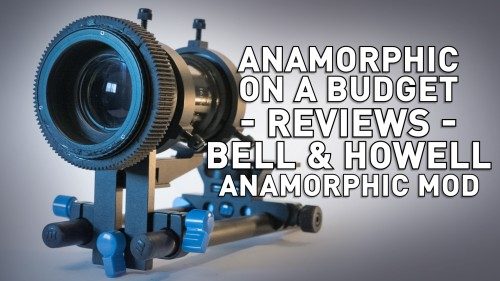
Bell & Howell Anamorphic Mod Review

September 4, 2016

If the Bell & Howell Anamorphic seemed an interesting option a few weeks ago here's the mod to make it great. Single focus, 2x stretch, awesome flares. All of that with 58mm front threads, non-rotating front, focus gears, lens support and 360 degrees of focus throw!

USEFUL LINKS:

Anamorphic

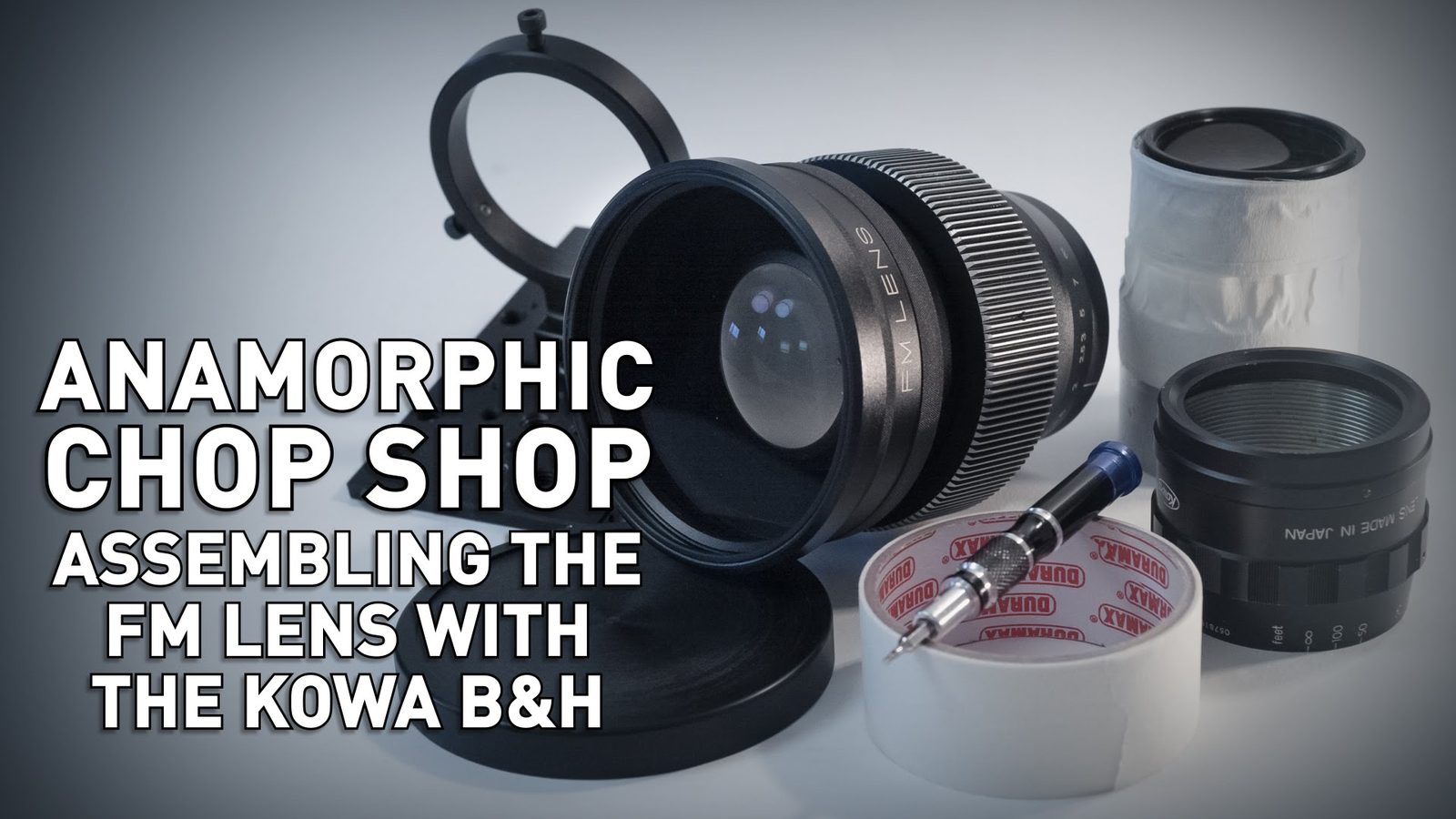
FM Lens - Anamorphic Single Focus Solution

August 28, 2016

The FM was the first anamorphic single focus solution to hit the market in late 2014. It allowed double focus setups to work just like any normal lens, or Iscorama.

USEFUL LINKS:

Anamorphic Day-to-Day

Buying Your First Anamorphic Lens

August 21, 2016

Don't be offended if I sent you this link and said nothing else. Please understand that replying to individual questions about this or that lens eats up a lot of my time and prevents me from developing original content for a larger audience - yourself included. So read the post and watch the video below as I did my best to answer your (and others') request. If you still have questions, I suggest you join group discussions either on facebook or EOSHD and do some more research on your own. There's no absolute answer to "which lens should I buy?". It's all in your heart and mind.

------

All the RED links on this post are part of eBay's Partner Network, so if you purchase anything through them, you're helping me to keep this project going.

Tito Ferradans here from the Anamorphic on a Budget guide and the upcoming Anamorphic Cookbook. So, there's this question I get asked AT LEAST twice a day: "Hey dude, I watched all your videos and errrr... I still don't know what lens to buy! Can you help me?" and, sure, I can! I replied to every single message I got so far. Facebook, emails, comments, instagram, whatever. The problem is it takes me quite the time to help each person and that's not an efficient solution because tomorrow I'll end up replying something very similar to somebody else. I was inspired to write this post after reading a great reply by Chris Bold on EOSHD and decided to write this post to help anyone tormented by the question of "which anamorphic should I buy?"

"There's really no one piece of advice that's going to fit everyone's needs. The best way to decide on your first anamorphic is to research, research, research.

Tito's Anamorphic blog is one of the best starting points. And you won't find a larger collected body of anamorphic knowledge than this forum. Search it deeply! Also look at test footage on Youtube and Vimeo of various lenses to see if a particular brand of lens produces an aesthetic that really appeals to you.

Watch some films shot with anamorphic. I just re-watched the original Mad Max, and realized there are some shots with horrible aberrations at the edges, and the film has barrel distortion throughout. But you know what? It doesn't matter. What matters is how the images made me feel, not how razor sharp or technically precise they were."

- Chris Bold, 2016

This is oriented to those who never used an anamorphic lens before and desperately wanna be a part of the game. No, it's not the final word about which lens should one choose and there are PLENTY of different ways to approaching anamorphics, but, once again, if you're starting out now, you better start with the basics. There are usually a few other branches to the original question like I want sharpness!, I want flares!, I have so and so as taking lenses, I use this or that camera, I want it for less than $50 bucks, I want something easy to use!.

Heads up: nothing fulfills all of these requirements.

"Once you find a lens or two that falls within your budget, search EOSHD and other forums to see what others have built to get the most out of those lenses. You'll find that there are different strategies to mounting them... from 'bailing wire & bubble gum,' to buying specialty parts, to custom-fabricating parts on your own, and many options in between.

1.33x adapters don't have the sharpest image quality and don't do well in low light, but are often the easiest to use. They tend to be lightweight and adapt easily to taking lenses. Usually good flares but less oval bokeh. They are relatively easy to acquire and will run you between $500-800. Not a bad choice for starting anamorphic.

Big projector lenses will give you that nice 2x oval bokeh, but vary wildly in terms of flare and image quality. They are invariably heavy so they require a certain amount of adaptation and support (which adds even more weight).

Although I don't have one, there are some dual-focus lenses that appear to deliver great images. But dual focus seems to present another set of headaches if you're shooting something with lots of movement. Probably not something you want to take on as a beginner. Dual focus owners can speak better to the learning curve and the time involved to get good focus during dynamic/complicated shots."

Anamorphics don't have a 24-70 f/2.8 - a lens that can shoot pretty much anything. Each adapter has its quirks and widely different price tags. In this post I'm aiming towards simplicity, towards a learning journey and not for a definitive answer. Most of the lenses I picked as "beginner" lenses have 1.33x stretch, which leads to a resulting aspect ratio of 2.36:1, almost perfect Cinemascope with no need for cropping or tweaking the camera settings. One step at a time and you're gonna feel at home shooting anamorphic in no time!

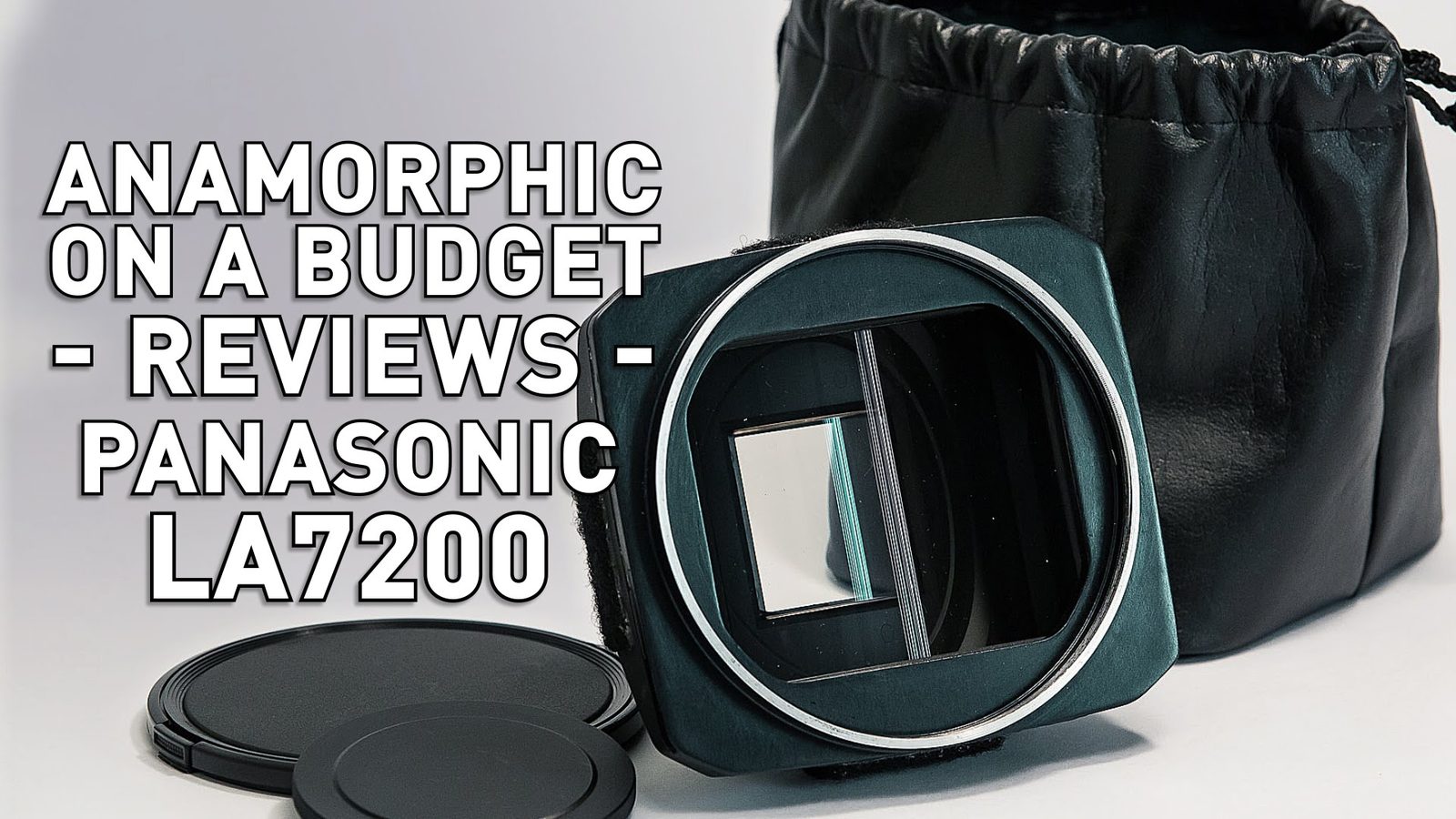
Panasonic LA7200

The Panasonic LA7200 is one of the most common entry-level anamorphics. Its advantages are clear, it has large glass, light build, not extremely hard to find or super expensive and it's a focus-through adapter, meaning that you're gonna handle your camera the same way you always did, focusing with your spherical lens. It's a great match for modern zooms like the 24-70 and it's the widest anamorphic adapter out there, going as wide as 28mm with no vignetting on Full Frame. Oh, you want sci-fi flares? Sure, the Panny's got them.

Its downsides are softness around the edges and the need to stop down the taking lens to f/4-5.6 to get sharp images. Close focus is also an issue, with the extra challenge of "how do I cover this front glass??". The cheapest way is taping the diopters to its front. Needless to say it's quite risky, but works wonders. If you want more info, check the LA7200's in-depth review!

Century Optics DS-1609

The Century is the cheap alternative to the Panasonic. With the same focus-through handling, you focus using the taking lens. Glass is not as great, but its compactness brings the advantage of being easily modified to hold diopters. Some of the older Centuries come in non-standard mounts, so you need to do some modding, but that's also easy. It still goes very wide, at 35mm for Full Frame and has awesome blue flares. Optical downsides are the same as the Panny's: softness around the edges, lower f-stops on the taking lens and challenging close focus. If you want more info, check the Century's in-depth review!

SLR Magic Anamorphot 1.33x

The SLR Magic 1.33x Anamorphot is a renovation of the concept behind the Panny and Century. You still use your taking lens for focusing, but SLR Magic added a "Near" dial which allows for good quality and close focusing at the same time at the expense of infinity focus. It also has standard threads at the front and back, so no need for modding anything. This one doesn't go as wide as the others but I had great results pairing it to Canon's 40mm pancake. The recommended aperture is f/2.8 or slower, so it's also not great for low-light and fast lenses. Flares are stupidly intense and that can be considered both good and bad, depending on personal taste.

The Anamorphot's greatest advantage is that it's readily available at several retailers and buyers get top-quality support from SLR Magic if they have any issues with the lens. I believe this adapter is one of the key stones in the increasing interest for anamorphics lately. If you want more info, check the SLR Magic's Anamorphot in-depth review!

Isco Optic Blue Star (or Cinelux) Anamorphic

These are the only projection lenses in the list - I'm considering them as identical - and the only one with 2x stretch. It used to be one of the most common and cheapest anamorphics on eBay because it "lacks" the "vintage character". I won't go into that subject in this video, so here are some advantages of the Blue Star: it's sharp all across the frame (at any aperture), easy to buy and a the perfect candidate for single focus attachments (Rectilux, Rangefinder or FM) down the road. The 2x stretch leads to noticeably oval bokeh, an anamorphic trademark, but the modern coatings mute any strong flares, resulting in a much cleaner image. The widest you can go, on Full Frame, for full sensor coverage, is 85mm, but if you're extracting a 2.4:1 crop from the center of the frame, a 60mm focal length should be enough!

The bad news are these adapters are heavier and bigger than the other lenses mentioned so far, requiring lens support. If you haven't got a single focus attachment this is a double-focus setup (you got to focus your taking lens AND the anamorphic at the same distance to get sharp images). The resulting image is also a 3.56:1 stripe against a black background, so you'll get better results shooting 4:3 or cropping the sides in post. If you want more info, check the Schneider ES Cinelux MC 2X Anamorphic in-depth review!

------

These are my four strongest suggestions for anyone starting out with anamorphics. The Panny and the Century were two of my first lenses and I still like them very much today for their simplicity. Small steps is the best way to go since there's A LOT to learn. Trying to encompass it all at once will very likely make you want to give up. Go out and get a lens, learn how to play with it an then start working on its downsides to improve them. This process will naturally lead you through all the steps in order to master anamorphic shooting and all of its quirks.

"Ultimately there is no perfect anamorphic solution. Every choice has benefits and drawbacks. The only way to know the best choice for your is to list our your needs, search through the options, and find the type of lens that most closely matches your needs.

What Bioskop said, ['To hell with sharp, as Anamorphic lenses are all about the defects they produce']. It is okay if your anamorphic images aren't perfect - they aren't meant to be.

Most importantly, MONEY = TIME. If you save money buying a cheap anamorphic, the more time you'll have to spend getting it to work. So they key the questions are: what's your total budget, and how much spare time are you willing to spend building your rig?

I saved money buying some B&H's, but the time it took me to get them to where I needed was enormous. If I had to do it over again, I might have chosen a different route. Then again, I learned a LOT in the process."

Buying your first anamorphic lens is an important step, but once you get started you'll realize you are making it a much bigger deal than it actually is. I don't have the first lens I bought anymore. Nor the second, third or fourth for that matter. I believe this is true to most anamorphic enthusiasts because going through the lenses is a very experimental process: sometimes I find a feature I really like in a lens and then I keep it for a while, then I get tired of it and let it go. Trying to find the perfect lens right from the start is not the right way to go because when you think you finally found it you'll start to see its problems and get seriously disappointed.

If you want some help along the journey, subscribe to my YouTube channel, check my previous videos and head on to the blog for an extensive guide - for free! - and other useful tools plus this super cool and exclusive t-shirt. If you want more detailed assistance of which lens to buy, I work as a consultant and, for a fee, will help you with your specific case. I'll help choosing taking lenses (or finding an anamorphic that suits the ones you already have) and making recommendations that are cut to your own scenario. Contact me through email and let's talk!