Anamorphic

Variable-Strength Diopters for Anamorphic Shooting

January 16, 2016

2015 was the year of the variable-strength diopters. They're popularly known as single focus solutions. Yes, I am talking about the Focus Module (FM Lens), Rectilux and Rangefinder. The FM had a good headstart, released to the public in late 2014. The Rectilux and the Rangefinder started shipping almost at the same time, mid 2015. As much as you'd like, this is not the time I'll throw them against each other. This comparison is coming soon. For now this is an in-depth explanation of how they work and why it took so long for them to show up. This is probably the nerdiest and most technical post I've written so far. Hold on to your optics and don't hesitate to ask questions!

Variable-Strength Diopters in History

It all starts with the Iscoramas, back in the late 1960s. Iscoramas were the first anamorphic adapters that could go on any taking lens and not deal with double focus. That is: focusing both lenses - taking lens and anamorphic - at the same distance. Set your taking lens to infinity and use the Iscorama's focus ring. Iscoramas sold already attached to infinity-fixed-focus 50mm lenses. Isco Optics had developed their own way of achieving this result and patented its optical design.

This decision shot Iscoramas' prices through the roof forty years later. You can find a few patents on Google. Here are two for the US and one for Europe (patent one, patent two, patent three). All filed by Isco or Schneider GmbH (the evolution of Isco Optics). The patent prevents other companies from making any lenses that work the same way. This pushed the Russians towards their synchronized focus rings for taking lens and anamorphics. It also deprived the world of any other single focus anamorphic adapters. Genius, from a business standpoint.

Light travels

This was an impossible barrier for the longest time. Nobody could make a single focus adapter based on the same principles. Oh, yeah, and what are these principles? Let's consider a three-part optical chain consisting of A + B + C. A is the focus group, B is the anamorphic group and C is the taking lens group. A > B > C is the path light follows from the outside world to the sensor.

Glassworks:

The taking lens, or rearmost optical group (C) sits at infinity. The anamorphic block goes in the middle (B) also set to infinity. A third optical part, the focus group (A) consists of a variable-strength diopter. We all know what diopters are and what they do by now. A variable-strength diopter is a combination of optical elements that acts as a diopter. It does so by changing the maximum focus distance - infinity - to something else. While regular diopters have their power set in stone (or glass, haha), variable-strength diopters range from +0, at infinity, to +1 or +2. These powers drag infinity down to one meter or half a meter!
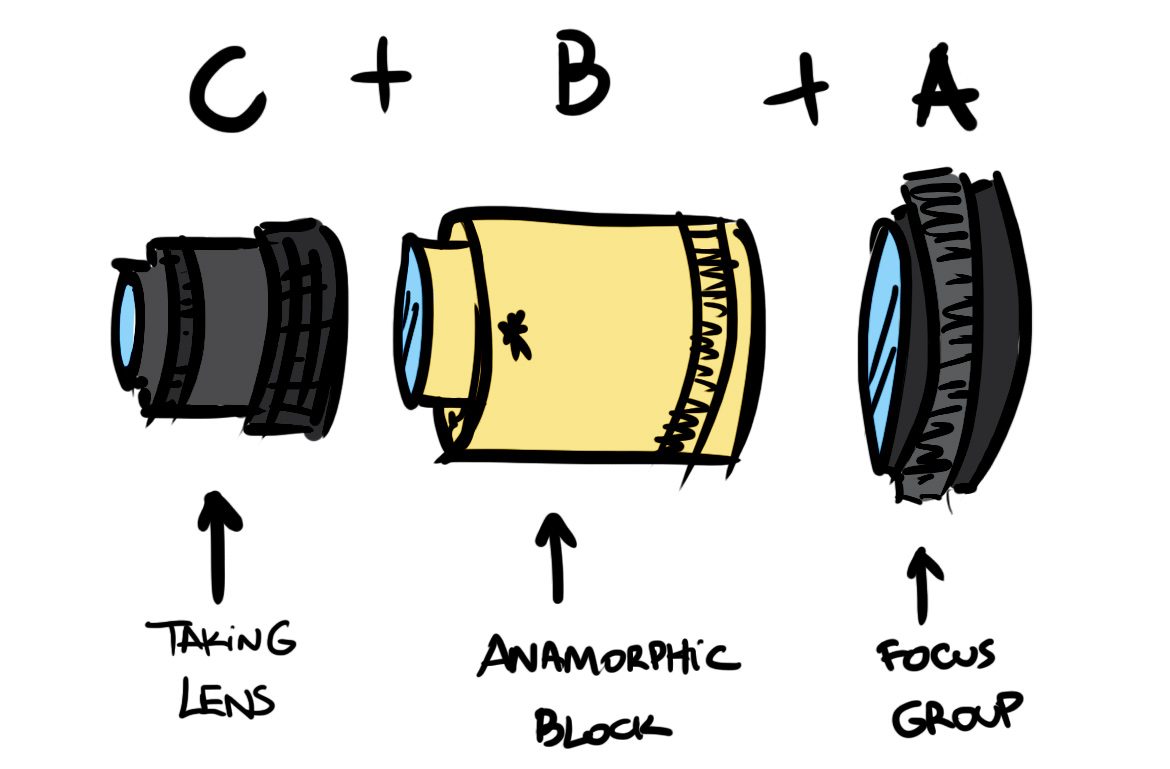
variable strength diopters light path

So why do the other components of the system have to be focused at infinity? Anamorphic adapters perform best at infinity, with sharper focus and their nominal squeeze factor. Second, if you'd set the variable diopter at the +0, or infinity position the other lenses are expected to see an image at infinity, and the variable-strength diopter will bring "infinity" closer as you change its strength. Plus, this allows you to have distance marks on your single focus solution like the Rangefinder does, that relate directly to the diopter strength that is being used, converted into its maximum focus distance. Before I proceed, I thank John Barlow for this explanation, more than a year ago. I haven't found an easier one to understand out there yet.

Why did we take so long to figure this out?

Now we know how the variable-strength diopter affects the entire system, but what took them so long to get here? My guess would be that everyone kept thinking about making a full single focus anamorphic adapter, and then hitting the patent wall. The moment they disconnected both parts - anamorphic block and variable diopter - the solution was found, since there were no patents preventing anyone to make variable-strength diopters.

The requirements were hard though, since the glass had to be big enough to fit in front of most anamorphic adapters without (too much) vignetting and image quality couldn't afford any hits - which is a serious issue with any other "photographic" variable-strength diopter you can find on eBay, as Jim Chang shows in his post at Rapido Technology's blog - since anamorphics usually mess up your image quality enough. This technical demand is the cause for the high prices - plus R&D expenses!

And what is an Iscorama?

Revealing the trick: an Iscorama is basically a high quality anamorphic block set to infinity fused with variable-strength diopter that ranges from +0 to +0.5 (which limits minimum focus at 2m!). Good thing for us we now have plenty of high quality anamorphic glass available - Isco Cinelux and Blue Stars, Kowa B&H, Hypergonars and so forth -, both modern and vintage, to suit every kind of look.

Whereas the Iscorama is more like an Apple computer (sleek design, light and powerful but you don't have much control over what goes on in the inside), the alternative to them would be PCs, cheaper, bigger, but they allow you to control every aspect of what goes under the hood. You can pick your taking lens, your anamorphic and even choose from a few options of variable-strength diopters. Later, if you wanna tweak it, each of these elements can be replaced and upgraded at your will.
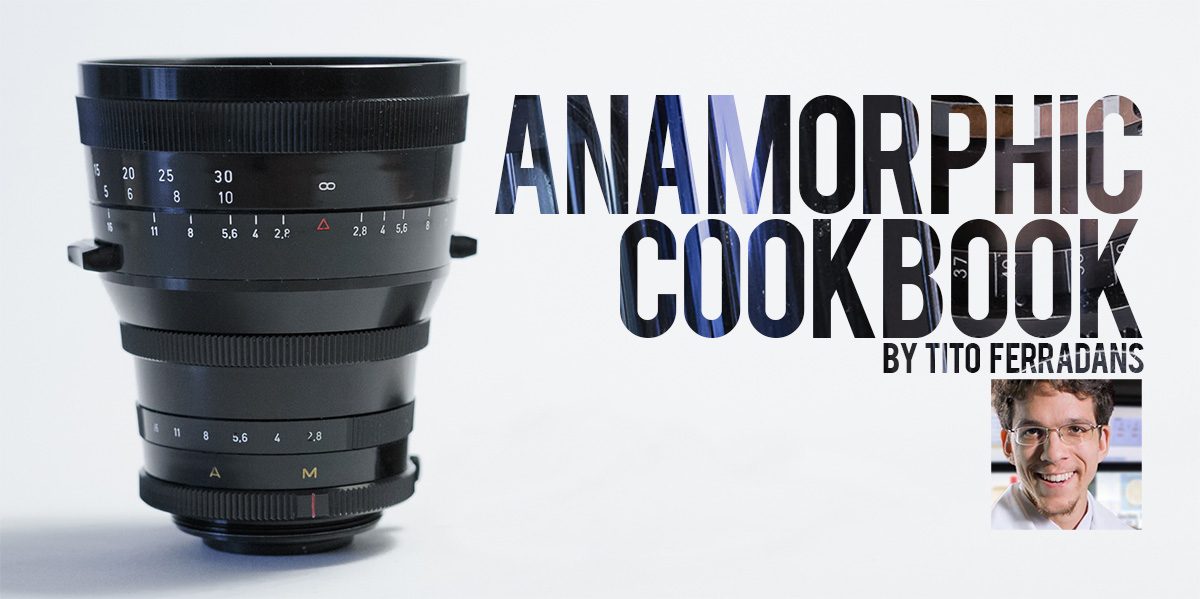
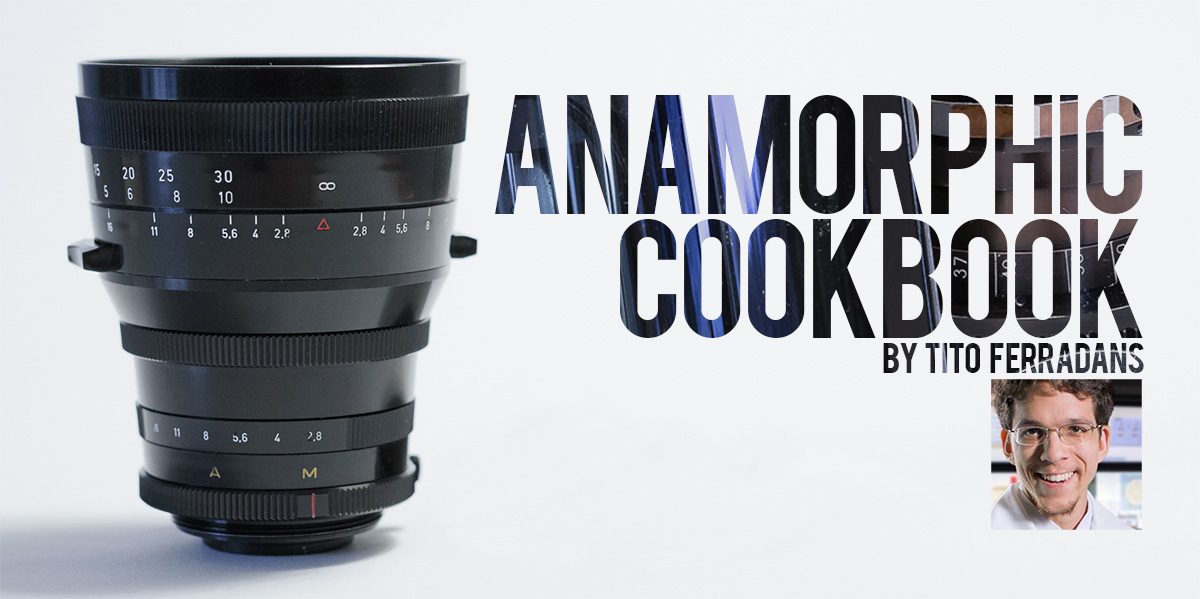
Anamorphic

Anamorphic Cookbook - Intro.

January 15, 2016

This image has an empty alt attribute; its file name is anacooktitle.jpg

HEADS UP! This is an old draft of what I envisioned the Cookbook to be. It changed shape a lot in 2020! Here's the new Cookbook!

This is my second take on a Guide for people interested in anamorphic lenses. My first compilation, the Anamorphic on a Budget guide, was also my graduation work at University of São Paulo (Brazil). It explains most of the basics about the lenses and a little bit of their history, but there's a lot of it dedicated to my final project, Zona SSP. This time I don't have a project in mind. The Anamorphic Cookbook is the result of almost five years of experiments with various lenses, systems and cameras. I'm trying to bring everything I learned during this time into understandable (even though very technical at times) writing for all of those who are entering the anamorphic world or already experienced shooters who want to learn a thing or two about lenses other than the ones they're used to. MOST of it isn't science, but as close to it as I could get through repetition, discussion, analysis and comparison. All of what I write is true for me and if you get different results please don't hesitate and shoot me a message or, even better, leave a comment, so the whole discussion can be public.

What should you expect to find in this book? Actually, before that and even more important, what are you NOT gonna find in this book? For starters, I won't tell you what lens to buy, or what's the best lens for beginners simply because there is no objective answer to these questions. I'll analyze dozens of lenses, give you charts and comparisons tell you which style of shooting works best with this and that lens and it's up to you to decide which one you feel more confident with. All adapters have their drawbacks, some will bother you more than others.

Another thing I'm doing is dedicating a lot more space to talk about taking lenses and their effect on the resulting image. Why do we keep hearing vintage optics work "better" than modern glass, the effects of multicoating, zooms versus primes, why does everyone love the Helios 44, and other questions like these. The order of the chapters might look a bit odd at first but I'm doing it the way I believe people should learn these subjects. For example it's essential to understand diopters before we get to talk about any anamorphic adapters. Diopters are, by far, the most underrated subject when it comes to anamorphic filmmaking and these tiny pieces of glass can boost the character of your production tremendously by directly affecting bokeh and stretch factor, but nobody ever seems to really care about them. It's always "do I need diopters with that?"

Since Anamorphic on a Budget was published there was an increase in the number of cameras featuring anamorphic modes and such, like the GH4, Ursa Mini, Alexa 4:3, and the never forgotten and super convoluted workflow of shooting raw on Canon cameras. Plus, everyone's eyes are always shining and asking manufacturers "Will this firmware update offer an anamorphic mode?" even though I get the feeling that most users don't grasp the advantages of such modes versus simply cropping the sides of a 16:9 frame. This time I'll do my best to try these cameras personally and explain why these or those settings are a way to improve (or simplify) your workflow.

As any film school will teach you, you first got to learn the rules and know them by heart before you start breaking them. Anamorfaking is possible, but if you don't understand how the real thing works, there's a great chance your fake will yell "FAKE!" and bring your production value down instead of up. In this section I'll talk about flares, filters, mods and post processing, all of them cheaper than the real thing, which is what makes them interesting.

There are also a few odd uses and unique products to be included, such as the Letus AnamorphX-GP for the GoPro Hero 3 (and 3+), Moondog Labs' lens for iPhone, using baby anamorphics with phones, hacking and slashing bulky lenses to make them friendly, a detailed explanation about Variable Strength Diopters, yadda yadda. Lots of bits and pieces that I tried to connect together and eventually jammed into what might seem a random spot.

The anamorphic community is small and spread across the globe. If we weren't so united this guide would not have been possible. Having a few safe havens is key. The EOSHD forum and the facebook group Anamorphic Shooters are my go-to places whenever I have questions or want to share any discoveries. There is still a lot to go, but I'd like to thank a few individuals in advance - this list will probably increase with the following chapters. Rob Bannister, Richard Gale, Cosimo Murgolo, Jim Chang, Andrew Chan, Alan Besedin, Matt Leaf and John Barlow helped me a great deal with several aspects of my research and deserve the recognition. Thank you very much for all the enriching discussions and explanations, guys.

This guide is still at its earliest stages and I have plenty of writing ahead. If you wanna stay updated about the Anamorphic Cookbook, subscribe to my youtube channel for all kinds of video, follow me on Instagram, send your name and email to news@anamorphiccookbook.com and I'll let you know when new content is available! Also, you can just visit this blog every once in a while.

Day-to-Day

Sap.

January 12, 2016

I moved. Moved to a new home, a home without so many memories attached to it, without all the good and the bad, the best and the worse, a clean slate, a fresh start and all those clichés. I wanted to write this on my last night at the apartment as I took down the biggest and most unavoidable physical evidence of memory - the tree with photographs on the wall - but the earthquake startled me too much and I lost my train of thought.

I always had unacceptably high expectations towards that apartment. First of all because it wasn't supposed to be just my apartment, but a welcoming environment to build a new life, a life we started drafting back home in Brazil, a life filled with dreams and plans, fun and enjoyable times. I won't go again through what happened because there are already plenty of posts on the subject. When May moved out, there were still plenty of traces and evidence of "Tito and May", some of it I was aware of, some of it was too ingrained in me to the point I only realized its importance and meaning when facing the unavoidable need to either tear it down, break it apart or pack it into a carboard box.

I get attached to things. Inanimate things that are not really valuable in terms of price but filled with important moments. I usually have them near me, in a notebook or a box. They allow me to recreate and relive these special times. It's like an unwritten journal made of bits and pieces. A movie stub, a time stamped bus ticket, a post-it note, drawings and scribbles. Almost all of them are made of paper and among these, most have some sort of time record - day, hour, month - which are useful when combining some (or many) together in a string of events and recollecting the gaps between the tracks. I also get attached to plants since I feel they're the closest things to pets I've had in the past years. It's my duty to not let them die. If I don't care about them, who will? I like to feel responsible for their well-being. Sometimes I fail and they die, sometimes I'm able to bring them back. I feel genuinely sad when one of my plants die, even when that is natural (like basil).

There was that tree on the wall. Both a plant and a time-stamped record. I had already taken down the photos a few weeks back, but the tree remained. I didn't want to kill it, I didn't think it was my right to kill it, but still, it was my last night there and it had to be taken down, with nobody else to do it. For most of my time living in that apartment I wanted to make something with that tree. An animation of some sort, I don't know. I never got around to do it. Taking it from the wall was my closest chance of doing so, and that's how I did. Slowly, revisiting each fruit that no longer hanged from the branches. Taking off each leaf at a time, handling each bird with care, leaving the main branches and trunk for last. Then, branches, as if the tree was growing, but in reverse, until there was only the roots and the base of the trunk, with a tiny leaf on top.

This was my way of not killing all the good we had together, but starting a new stage of our lives. Different from what it was, but that still requires caring and watering. I think this will be the last post on this subject. It was supposed to be before New Year, but since it's on my New Year streak, it counts as 2015.

Day-to-Day

Recovery.

January 11, 2016

The past two weeks felt more like two days. The whole process of moving is way more exhausting than the idea behind it. You think "pack, transport, unpack". Yeah, right. It took me ages to identify where each box should go, or what to do with the objects inside - not to mention the ones with mixed contents: spices from the kitchen, cleaning products, some photographic gear, cables and wires, one or two books and my shampoo. Then, after unpacking there's cleaning up - we took an entire week just to get rid of all the empty boxes and ended up dragging them in a very unsafe way across two or three major avenues to dump them at a supermarket - doing laundry, dishes, "what are we gonna do with all this bubble wrap??" and so forth. As I sort of mentioned in the previous post I decided to start 2016 fresh, so I hunted for a new phone, updated my notebook, fixed up a new desktop, disassembled a few other minor electronics and put them back together in working conditions - watch, flashlight, bike lights - and I think I finally finished it all.

In the meanwhile, my classes started, and I'm enjoying them. Being back in school actually feels very good. Gives me a sense of purpose, hard deadlines and makes me use my brain more, in less usual ways. Writing is something I like and it feels great to have the chance to go deeper into it - which also involves a lot of reading and practice. Posts should increase and diversify, but that's not a promise! Hahaha!

Back to the new house, we spent a good amount of time mapping nearby places - post office, grocery stores (various options within a 5 minute walk!), hardware stores, thrift shops, downtown Burnaby, drugstores. The closest thing to home is a liquor store, literally across the street from us. Then, Real Canadian Superstore, which is a very cheap and huge supermarket. The first time we went there - Nicko, Vinicius and I - we spent two hours walking around before settling on what we needed to buy and, even then, we forgot some food. We just didn't notice the time flying and we weren't having that much fun! Just kidding, it was pretty funny and we got to see incredibly large packages of food - one of Vinicius' favorite hobbies while grocery shopping here. I also found some exotic fruit which I haven't seen yet (guavas and carambolas - starfruit?!) and got mangoes and pineapples for a fraction of the regular price downtown. Life on the outskirts has its perks.

So far I've been biking to school, which is a 10km ride, with plenty of uphills,that takes me around 30 minutes. It's faster than taking the bus. The best part is coming back home which is mostly flat or downhill. The weather has been sunny lately but we're supposed to get some rain this week. Let's see how complex the ride gets.

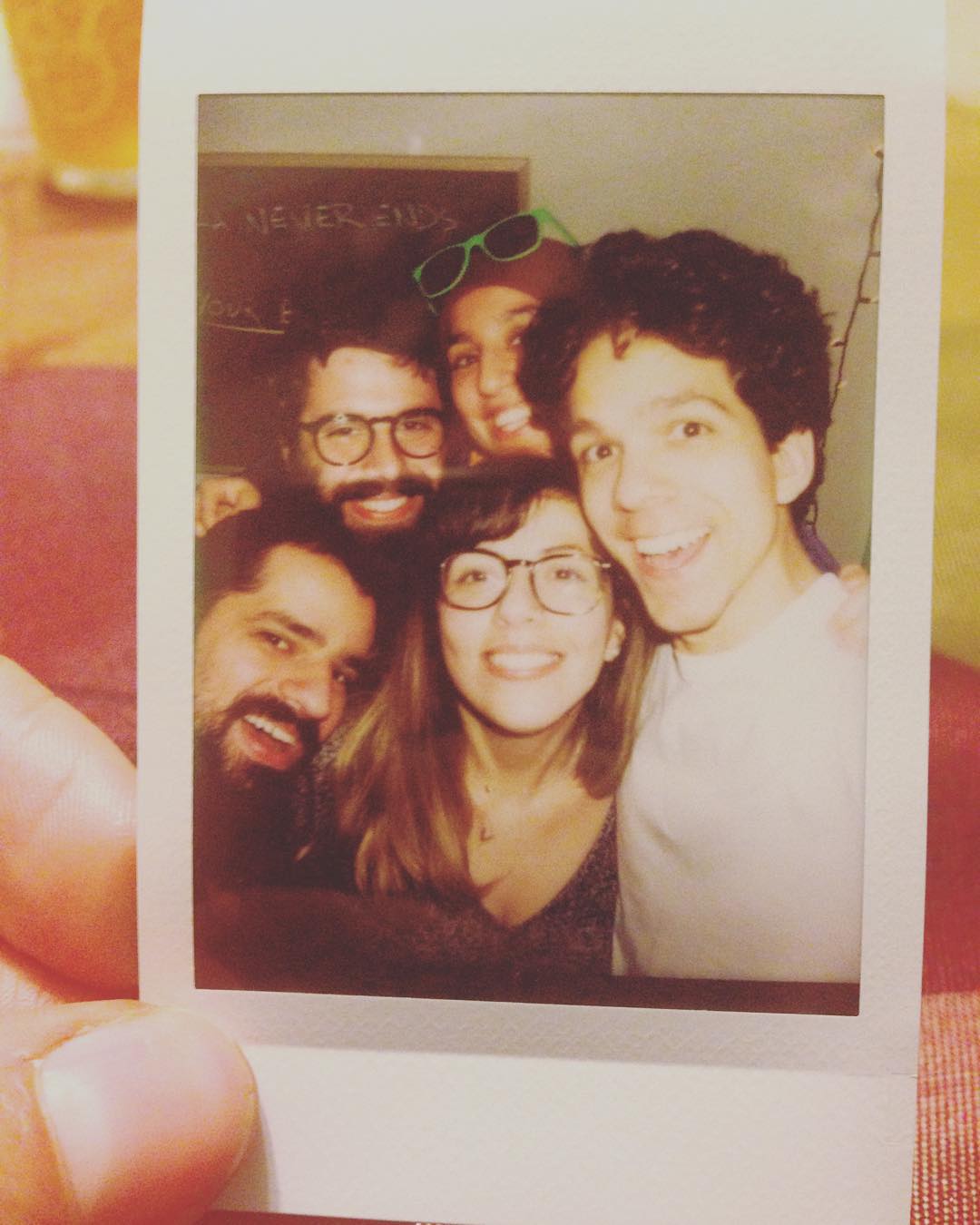
This weekend was kind of a big celebration. Nati's birthday was last Thursday and Ariana's is today, so we mashed up birthday and housewarming parties on Friday. On Saturday we went to Metrotown for the sake of exploring - I had been there on Friday, facing what was probably my meanest uphill ever, on Rupert Street. Downtown Burnaby is so close to us it's almost scary ("am I no longer a resident of Vancouver?").

Photo by Natália Peixoto (@reinodanat). View on Instagram →

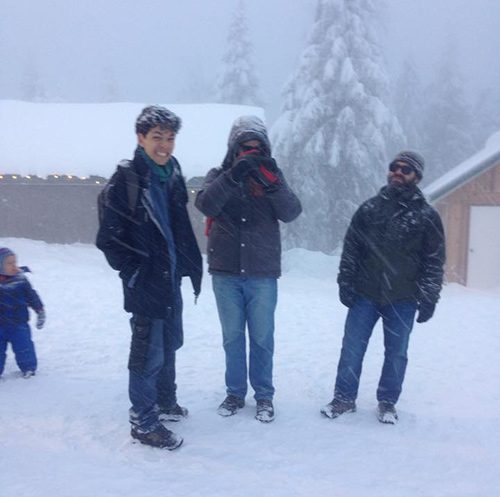
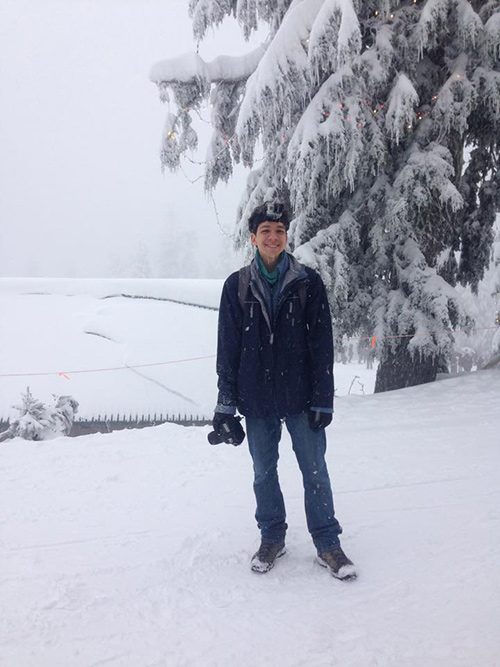
Everybody went to bed early because we rented a car for the weekend intending to go Whistler, the ski-paradise where everything is excessively expensive and there's snow all year round. Four brazilians in a winter paradise. No need to say we were freezing to death. I was stupid enough to think I would be able to photograph anything and packed a ton of gear which was rendered useless by trying to stay warm and tubing. (portuguese explanation for tubing: sabe esquibunda? Só que na neve, usando uma bóia daquelas de câmara de pneu de caminhão. É uma idéia estúpida de tão simples). On my first ride I thought I'd die. I was absolutely sure I would flip, break my neck, wreck the gear on my back, be thrown out of the mountain, all that at the same time, while going down a frozen hill at stupid speed. When I got to the bottom - which takes less than 30 seconds), I realized it's (nearly) impossible to die, so I ran up to the line again. I'm pretty sure we all got sunburned from all the snow.

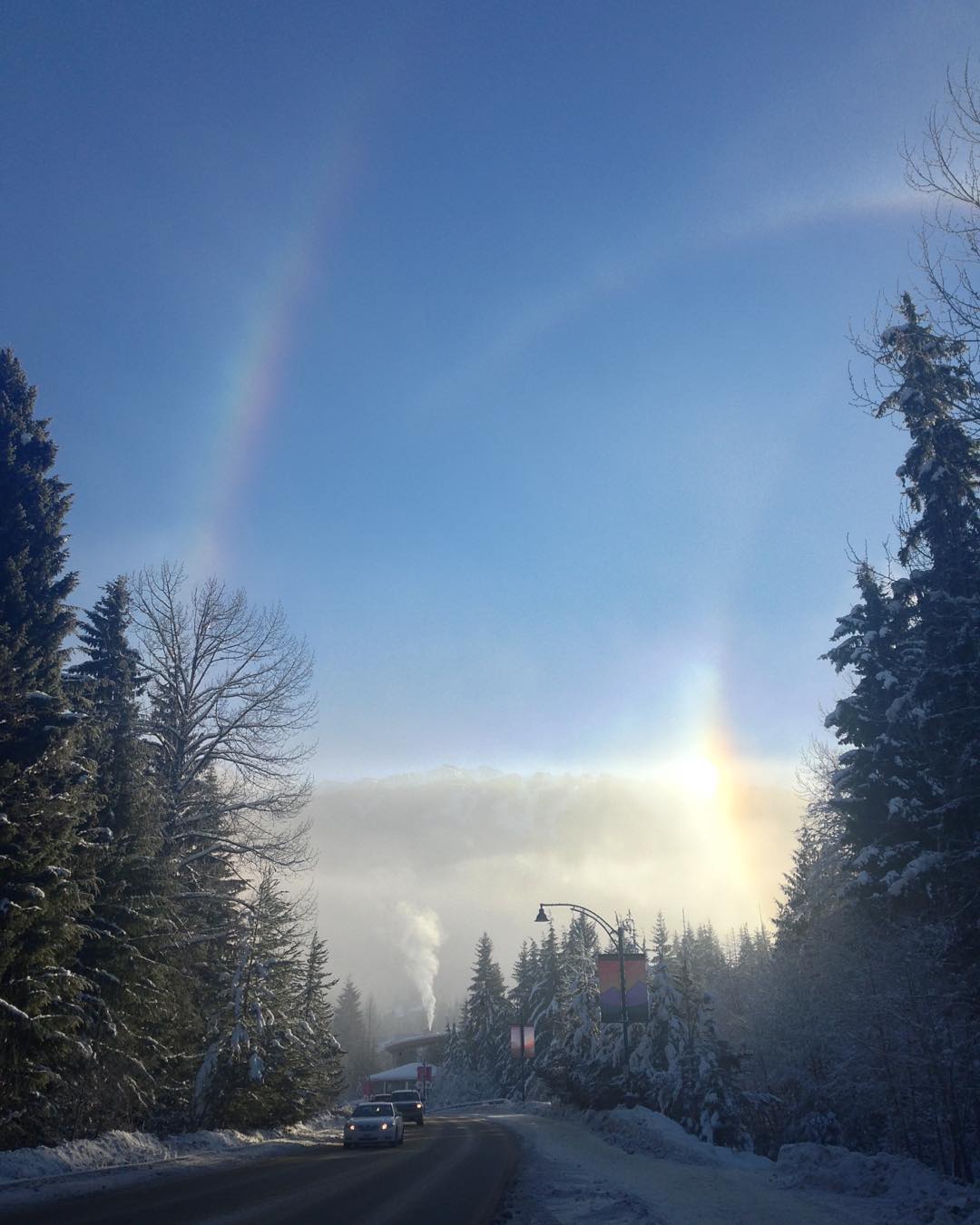
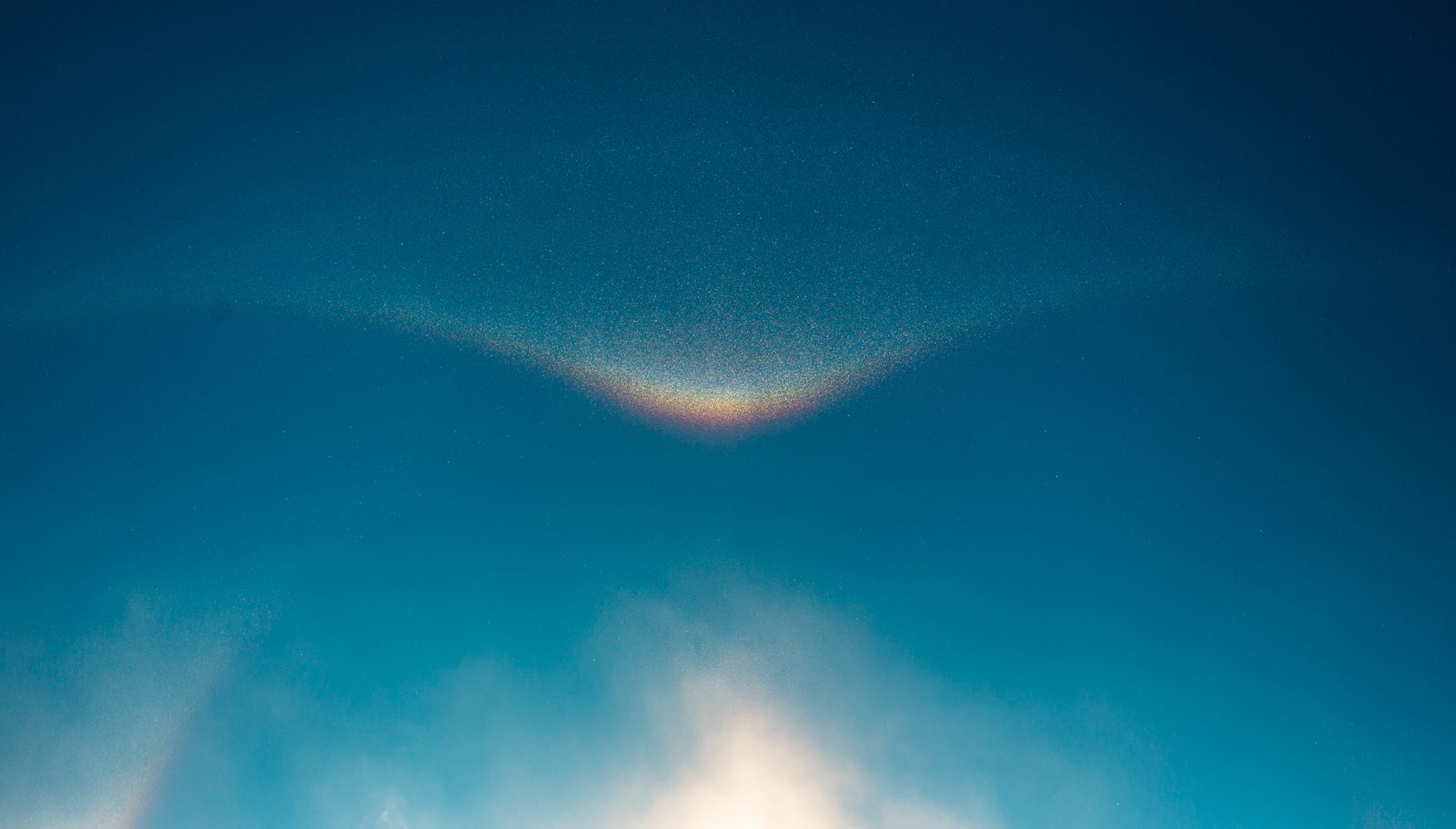
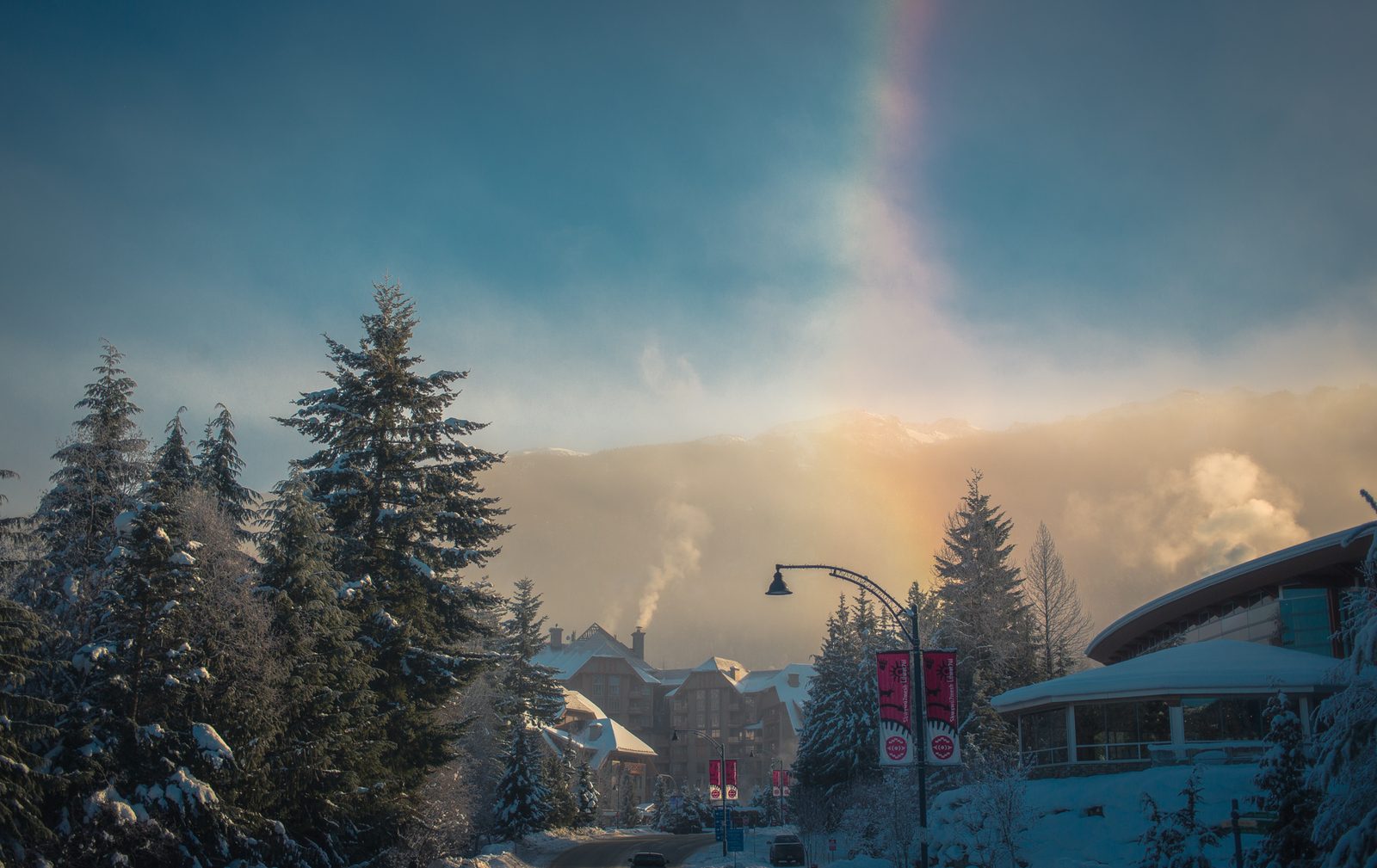
Oh, yeah, and when we got there we saw a triple-bending rainbow. Even though I had six lenses on me, none of them were wide enough to capture the full picture. Nati got this with her phone and I'm referencing it here too. Down below are two of mine, with very little post-processing. We were in the middle of a cloud, and I still haven't figured out the bent rainbow.

Triple rainbow #vancity #vancitybuzz #vancouver #explorebc #canada #nofilter. Photo by Natália Peixoto (@reinodanat). View on Instagram →


Snow and ice do an amazing job of twisting the light in - what are for me - weird and unexpected ways. My only real previous experience had been on top of Grouse mountain - a few weeks back. The weather was completely different yesterday, very enjoyable to observe. I think I might even be a little snow blind. Cool cool cool, at least it's not a cold, but my eyes hurt.

Day-to-Day

Exhaustion.

December 30, 2015

I am moving. Moving into a new home, with three amazing friends. We've been planning this for some time and finally it happened. Finding the place was an adventure of its own, but I'm not going into that. The series of events I'm going to talk about starts this week. Sunday morning I got a call from our new landlord saying the house was clear and we should swing by to get the keys and then move in whenever we wanted. We gathered and decided that Wednesday was the best day, since Nati had the day off, and there was at least two entire days to finish packing. I had started on Saturday, bagged most of my clothes - except the ones I was still gonna wear! -, all my gear and some random bits and pieces.

Monday morning I went hunting for boxes. Tried the closest supermarket and only found a few small ones - tiny, I should say. Useless. On the way out I decided to check the bins around the back, maybe I got lucky. There were a few good ones in there. Miraculously dry. I spent some time digging into the bin and saw some large ones at the bottom of a second bin, the problem was that to reach those I would have to jump INSIDE the bin and then figure a way to climb out. Why not? Sounds like a bad idea! So, there I went, into the bin. Got the boxes, threw them out and burned a few good minutes climbing and puffing to get out. I never thought it would be so tricky to get out! Anyway, by the time I got to the top, there was a supermarket employee coming out the back door. The poor guy had a brief jump scare before making sense of it all. I didn't bother explaining. On the way home my hands started to hurt due to the cold. Not 'light pain', but joints jammed and the tips of my fingers feeling like they were going to explode. My hands are the most susceptible part of my body to the cold temperatures. Plus carrying boxes is never cool, they're always bulky and slightly larger than your arms can stretch. So I hurried home as fast as I could, swearing all the way from the cold and because of the cumbersome boxes.

Got home. My hands were like pincers, just two moving parts. Grabbing the keys and rotating them on the lock was a real challenge. Then dragging the boxes in and into the elevator then out and into the apartment. THEN I finally started the real packing and worried that I would need more boxes. Fuck that, this would be a problem for the future. I went on packing and realized the boxes by themselves wouldn't be enough to hold the weight, so I thought of getting myself a ton of tape and cheap rope to reinforce the boxes that were already full. Cool, a good reason for a short bike ride. As soon as I got up and started pedaling I felt something was wrong. I stopped three or four times along a single block until I realized the back tire was completely flat.

Oh, great. First I have no boxes, then I have to jump in the bin to get boxes, then my hands freeze, then the boxes aren't good enough, now I have a flat tire to fix, WHAT THE FUCK IS WRONG WITH TODAY? I went back home, absolutely píssed. I'd have to either walk or take a bus to get to the bike shop, and none of these options filled me with joy. After two hours of suffering and complaining I decided it was enough and I would play the day by MY rules, whatever that meant. Somebody knocked on the door, it was a package. First time in 18 months that I'm home to receive a package. What are the odds? Then I notice I have ONE bus ticket left, maybe my luck is finally turning. By the time I get to the bus stop, the 44 magically shows up and halts so I can mount the bike and get in. I get to the bike shop quickly and the guy tells me it's super fast to fix. Also, I should replace my brake pads - second time in two months. Since the bike is still new, labor is free. Cool. Since I have to wait I decide to look around for the things I needed. Tape, check. 200m of tape for $5. Then I realize I'm hungry and hunt for something tasty. When I'm done enjoying some cookies, the bike is finished. As soon as I get up and feel it on the lane my mood improves 200%. Man, I really enjoy riding this bike...

Time to go for an immense sidetrack and then get back to Monday.

During the messed up morning I started to think about some of the things I use on a daily basis. My phone's screen cracked this last time I was home (Brazil), and then some more during VIFF. My notebook's battery is completely dead (it prompts me a warning every time I turn the computer on), the bike had a flat tire. These are just the three easiest examples, but there are several others. Ok, stuff is broken, so what? You might remember when I started to write I was going through a hard part of life, some time ago. My philosophy during that time was "it doesn't matter I'm broken, I just need to last a little longer to finish this or that, and then I'll start to get better", and I didn't take care of myself when or how I should. I was doing the same thing to these "items" around me. Screen is cracked? It's still usable! Battery is dead? Fine, just keep it attached to a power source. Flat tire? Ok, that's too much. I'm not even going into the metaphors of "cracked glass", "running out of battery" or "empty of that invisible thing that keeps you going". Might be subject for another post. So while I was suffering and complaining about the flat tire, I went online and found a replacement battery for the notebook, then started to look for a new phone. Found one - the most recent version of the one I already have. Then I found out it's not available in Canada. Craigslist. Dude selling for $500. I'm not paying $500 on a phone. Not now, not EVER. Kept that in mind, trying to figure out what to do. Now, back to biking.

I still had to buy rope. I had a rough idea of where I wanted to go, but the main thing right now was to enjoy the ride. Somewhere along the way I spotted an ice cream place. Heh, why not? Jumped off the bike and enjoyed some decent ice cream. I mean, at this point I wasn't in a rush for anything else. The goal was to enjoy every step in the process. Back on the bike, I got to Canadian Tire and finding rope was easy enough. The tape and a bit of rope should be more than enough to create some super safe boxes. Going down the street I pass by Best Buy and think "HEY! I SHOULD LOOK FOR MY PHONE HERE" - yes, in caps - so I head in and get lost among the dozens of people enjoying boxing week deals. I confirm the information that the version I want is unavailable in Canada. At some point I realize I didn't check my favorite e-commerce. Ebay! There I was able to find some good options for an even better price. I keep an eye in a couple of auctions and leave the decision for later.

Back home I reinforce all the done boxes and pack some more. I don't finish it all, and it's late so I go to bed. I wake up less than two hours later, soaked in sweat. "HOW IS IT SO HOT IN HERE?". Well, it's not. I think there's just too much going on with moving and getting things done. After slowing my mind down I go back to sleep. I'm up by 6am and on the bike by 7, for what would probably be the last of my so frequent Stanley Park rides. We're getting a super sunny week, so I better enjoy it! The issue is when the Sun comes out the temperatures drop, so by the time I finished my second lap, my feet were blocks of ice. I had to meet our landlord to pick up our keys and check the house but there was no way I was gonna bike another 20+km feeling so cold. Back home I put on two extra pairs of socks and THEN I was ready. This morning I also put back the straps on my pedals, because I was unable to handle them when I bought the bike, but felt now it was time to try it again. Biking towards the new home took another half hour and the straps made a huge difference. Getting used to them is quite easy!

In the new house I checked every room and cabinet, windows and closets, everything, and then got our several copies of the keys. We're officially moving! By the time I got home I had already biked 45km today so I thought relaxing a little could be a good idea. I ended up not doing that for very long and headed to the new house again, after picking up some stuff on the way. I rode 65km today, and some stupid uphills. When I got home for the second time I found a checklist of the stuff I need to clean in this apartment before handing back the keys. It's absurd. Now imagine finding an absurd list after an intense day of exercising, with some packing still left to do and moving on the next day? With no time left, I started the cleaning tonight and got a good part of it done. The apartment is an absolute mess.

After all my physical strength was exhausted I sat here and started to write. In the middle of the process everything started shaking. I even tried to hold the table steady before I realized the entire apartment was shaking. And that's how I've survived my first earthquake. It was pretty quick and not that strong, but I spent at least five minutes cursing and swearing because of the scare. Another "first time" for the book of first times.

Anamorphic

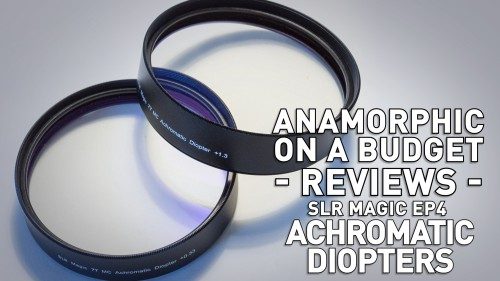
Anamorphic on a Budget - SLR Magic Ep 04 - Achromatic Diopters

December 27, 2015

Let's talk about the most accessible achromatic diopters in the market and how they stack up against more popular options.

USEFUL LINKS:

All the RED links on this post are part of eBay's Partner Network, so if you purchase anything through them, you're helping me to keep this project going.

You can support this project on Patreon. Make your contribution and help the Anamorphic Cookbook!

Day-to-Day

Freezing, Biking, Living.

December 20, 2015

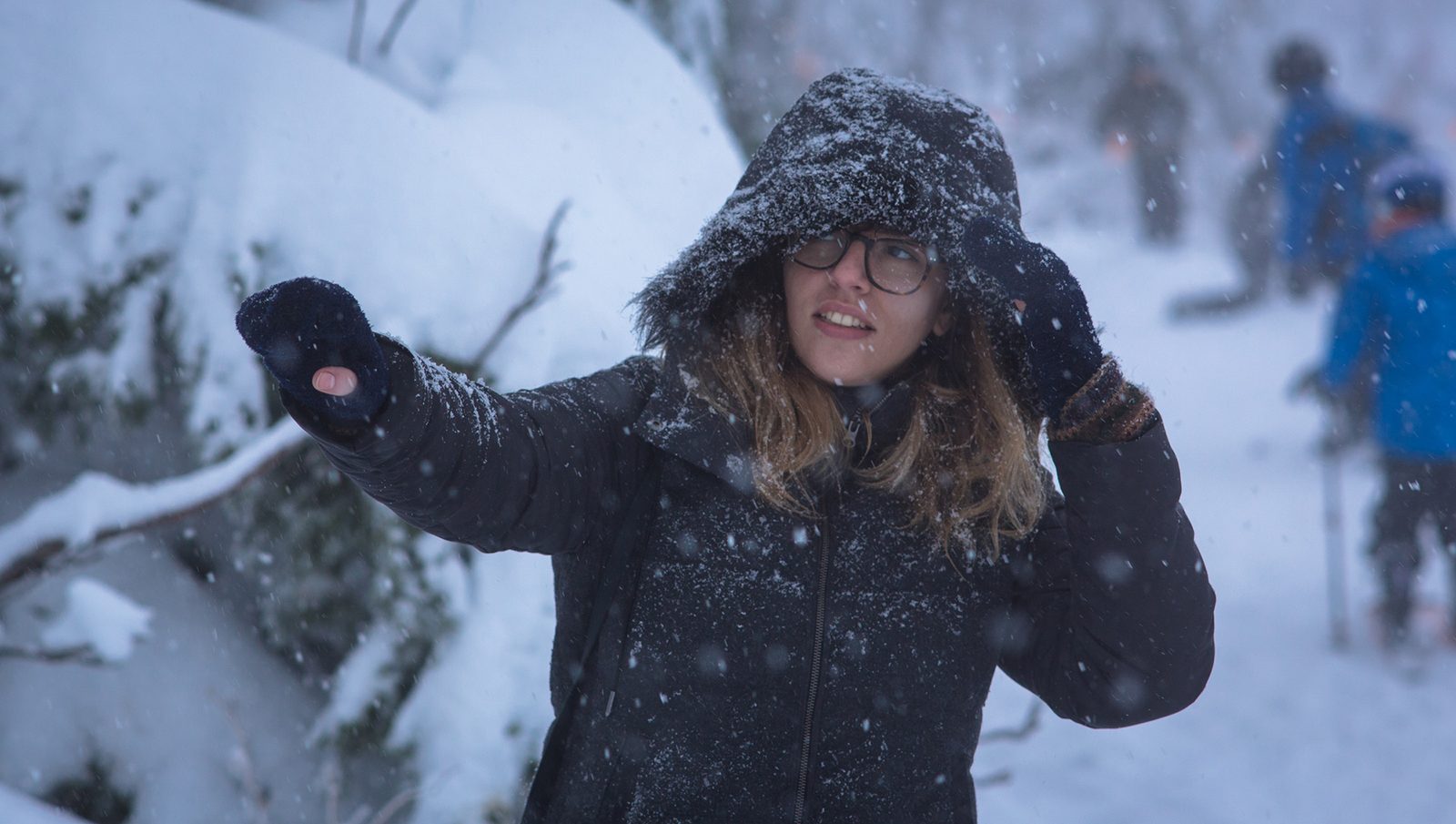
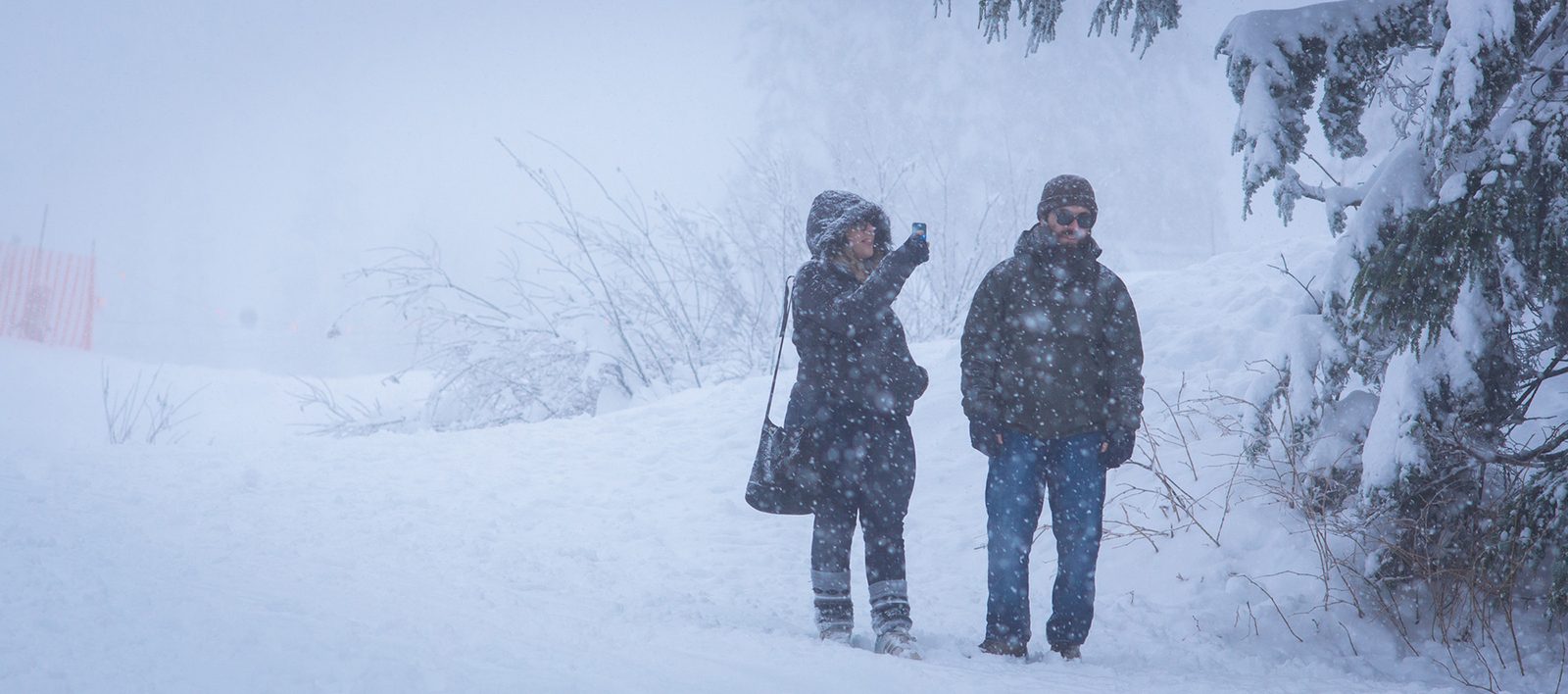
If you know Portuguese and have been following my adventures since last year you might remember snow and I don't get along too well. I think it's very pretty, seeing everything covered in white and whatnot, but not very pleasant for everyday life - important reminder: I'm from the warmest parts of Brazil. Yesterday we decided to go to the top of Grouse Mountain and, besides putting on plenty of layers and waterproofing myself I remembered to pack one of the lenses I barely had the chance to try since I got it, the Tair 300mm. I wrote about it a while back too. Just for safety I took the Contax Zeiss 135mm as well and the GoPro with the AnamorphX just to see what could I get out of it - still haven't checked the footage.


We didn't manage to stay out for very long, so we did a bunch of short (15-20 minutes) runs around the snowy area. First run was the most shocking one, figuring out how to measure the light when EVERYTHING is white and not underexpose my subjects, waving a 300mm lens around and manual focusing with the viewfinder, stopping it down to f/8 (it's a 300mm after all, I needed a little more depth of field than usual), many different challenges. The best thing about having a camera on me is I got to go into "Photographer mode" and not be bothered by the cold or the piling snow until we got back in the warm area. Even my sore neck stopped hurting for the entire time outside.


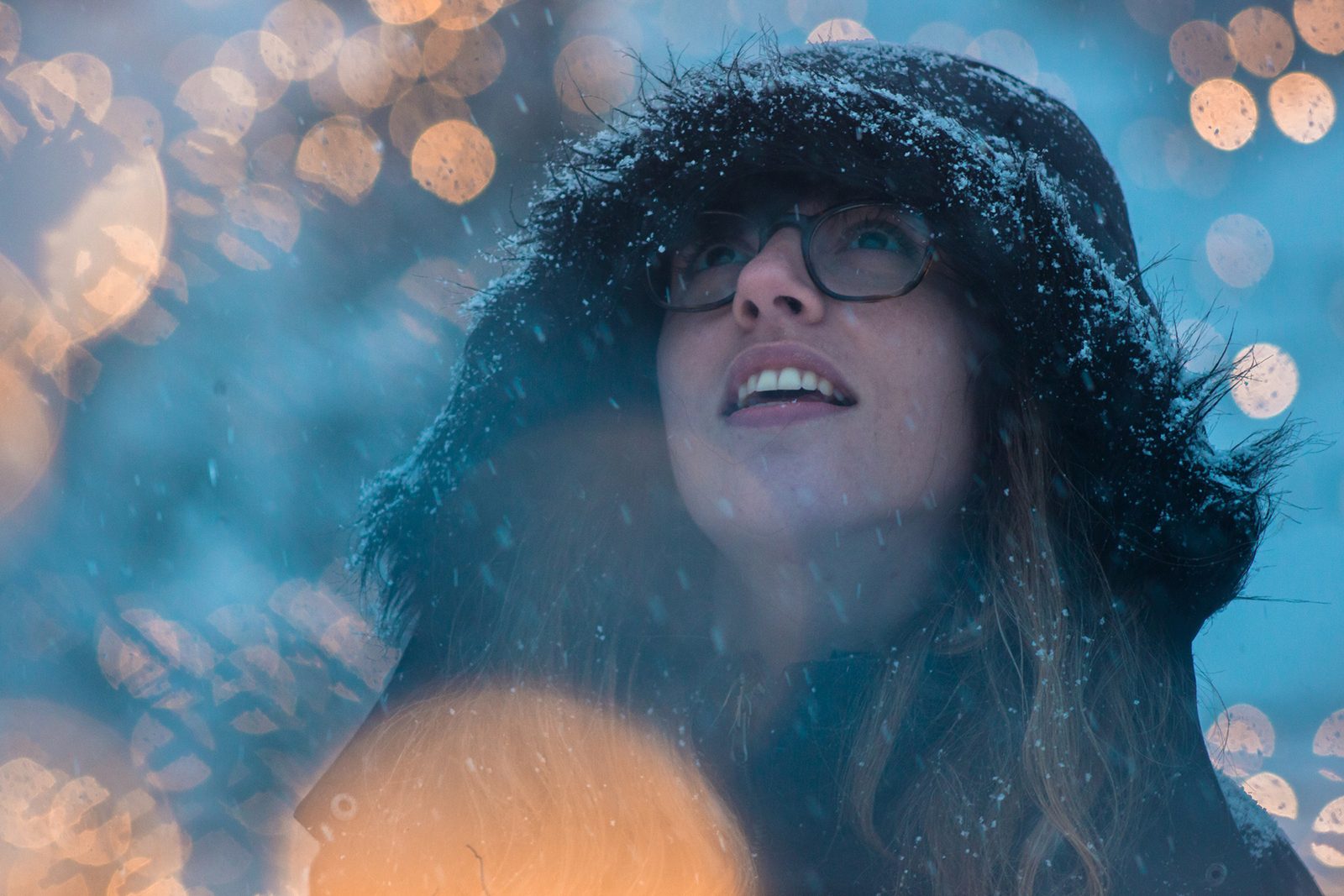
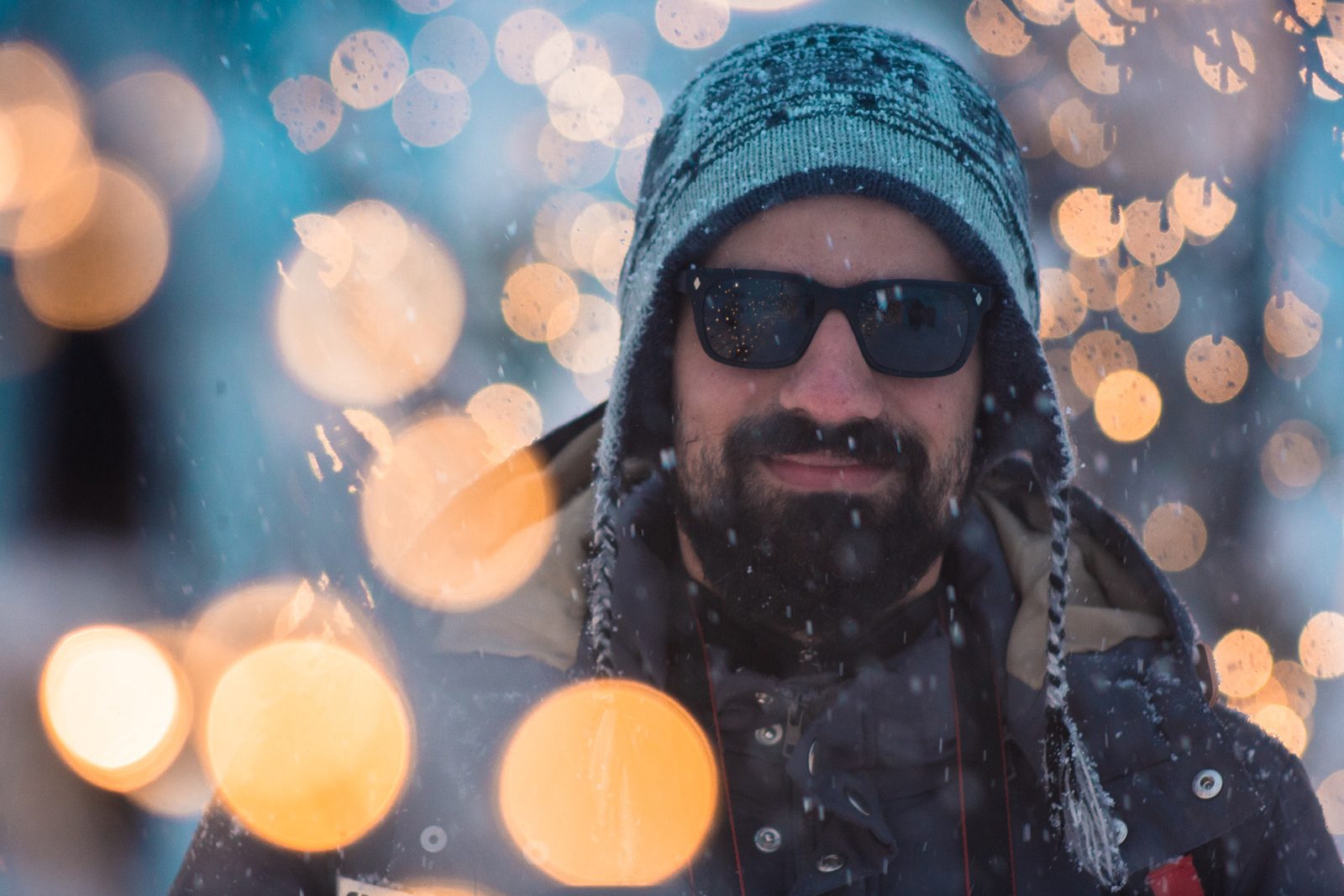
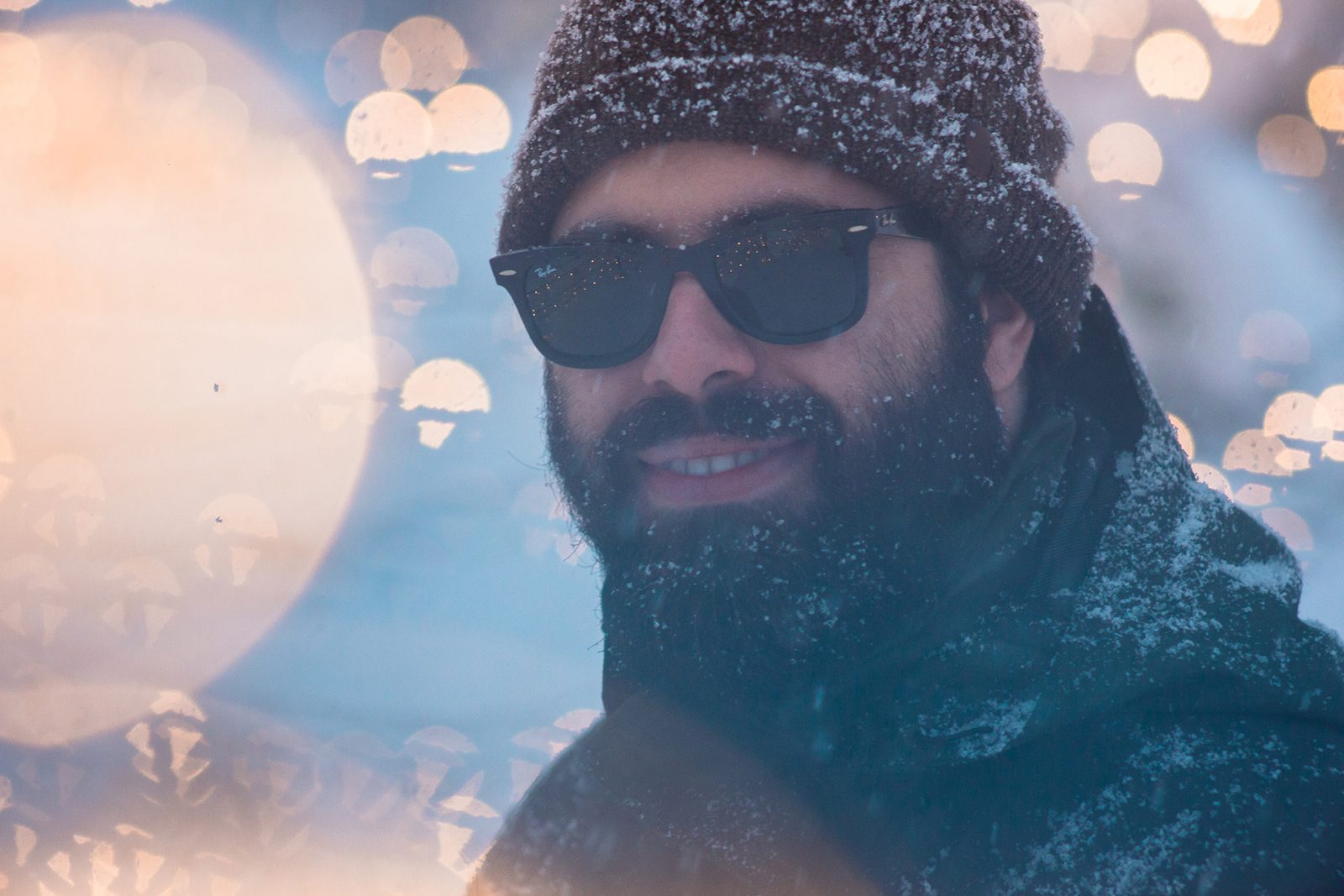
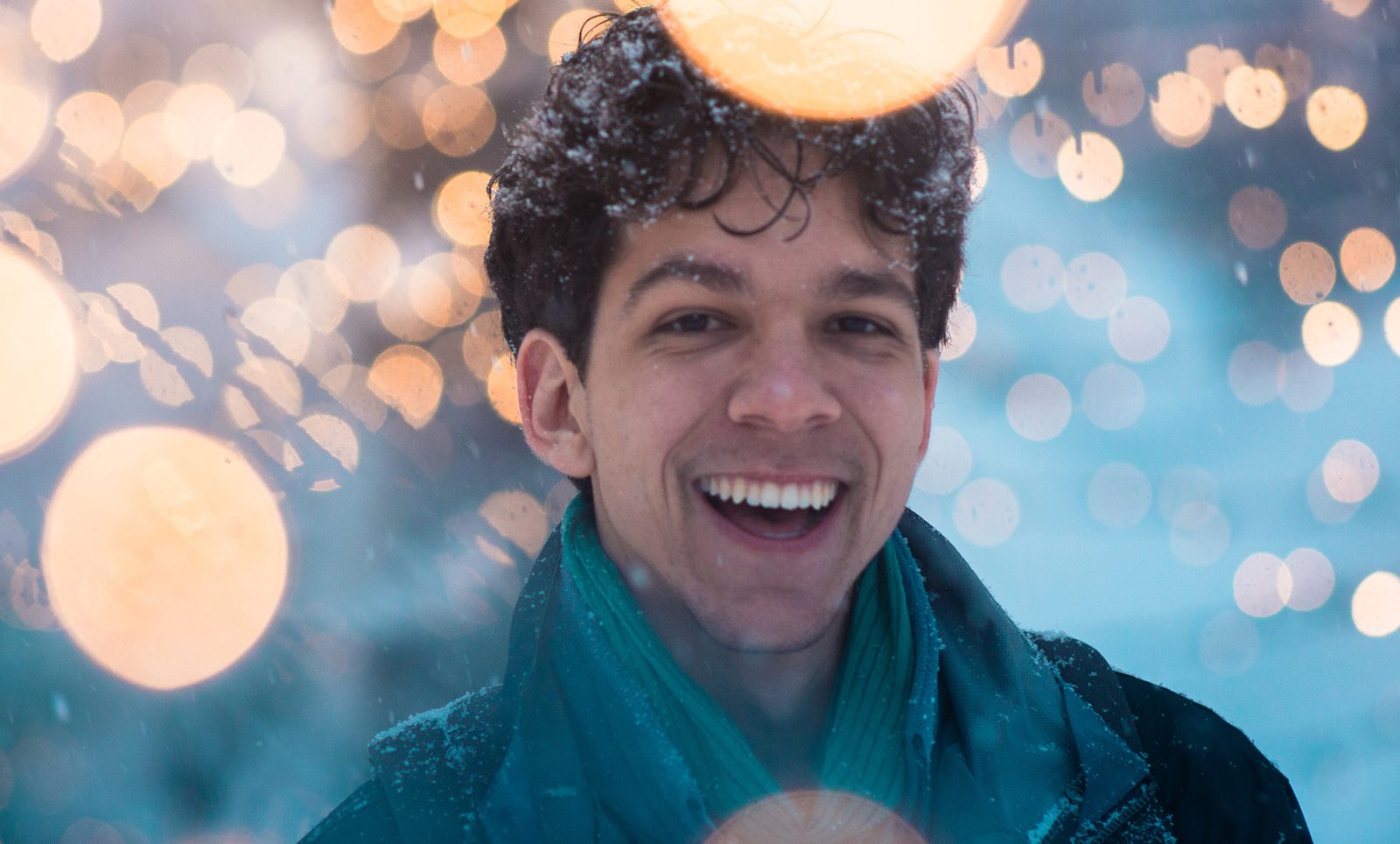
I had a blast seeing how the snowflakes turned out in every picture. Sometimes bokeh, sometimes little super dynamic particles, sometimes sharp white dots. It just adds to the organic feel of the pictures - combined with the vintage optics it's mesmerizing.

Before we decided to leave we wanted to go into this "tunnel" thing entirely made out of Christmas lights. I'm crazy for Christmas lights. I think it's sad we only use them during Christmas, especially when they look so good in camera. Anyway, that's not the point. The most amazing thing about the Tunnel of Lights was the magic performed by the 300mm. By defocusing the background to a blur and having only little lights as foreground turned the pictures into bokeh dreams.


By the time we came down, we were so tired that everyone went straight home. Just like coming back from the beach after an intense day of Sun and running around. Snow is exhausting, but I feel less threatened by it now.

Moving on along the title, I've been planning a 100km bike ride for a few weeks now. The only things missing are the time and the guts to do it. Since the longest I've done so far was 40km, with plenty of stops, I decided to put myself to the test and get a hardcore 50km (25 to go and 25 back) ride to the park where I shot this video. It was a very long (over one hour if I remember it right) bus ride until we got there, so biking should be fun. I just chose the wrong day I think. It was raining like hell and the rain turned into light snow at some points. Nearly half of the way was along a road - not streets and avenues, intermunicipal road, which wasn't that bad since I couldn't get lost, but a little worrying in case anything happened or I needed to turn around.

I'm not one to turn around, so I made it. I also faced the meanest uphills ever - combined with a heavier gear for the bike that I installed the day before - which weren't the most exciting part of the journey, but definitely taught me routes to avoid in the future. Even though I had waterproof clothes, it was raining so much that eventually water got in my shoes and my water RESISTANT gloves didn't prove themselves so resistant after all. When I got to the park I sat down, looked around - everything was grey, wet and empty - had a cup of raspberries, coconut water, watched a lady buy some ice cream for her dog (true!) and headed to the washroom for two reasons - and I bet you got them both wrong. First one, it was warmer than outside. Second - and most important - they didn't have paper towels to dry your hands, but those warm air blowers. I hanged around there for good forty minutes, drying my gloves and socks and warming up for the way back.

As usual, coming back was much easier and faster than the first part of the ride. When I got home, for the first time since I got here, I filled the bathtub with warm - hot? - water and just relaxed for a good while because I thought I deserved it. The whole ride took me about four and a half hours, so I think I can manage the 100km plan sometime before the year is over.

The next day I biked to the airport - with some very stupid ideas that didn't work out - and that was another 30km. I also found out the seawall is open again - it was closed for at least an entire month - so I can start going there again!

Saved as last thing in this post, the Hedley video I helped shooting is out, an acoustic version of Hello. As anamorphic as it can be!