Day-to-Day

WARM.

July 17, 2018

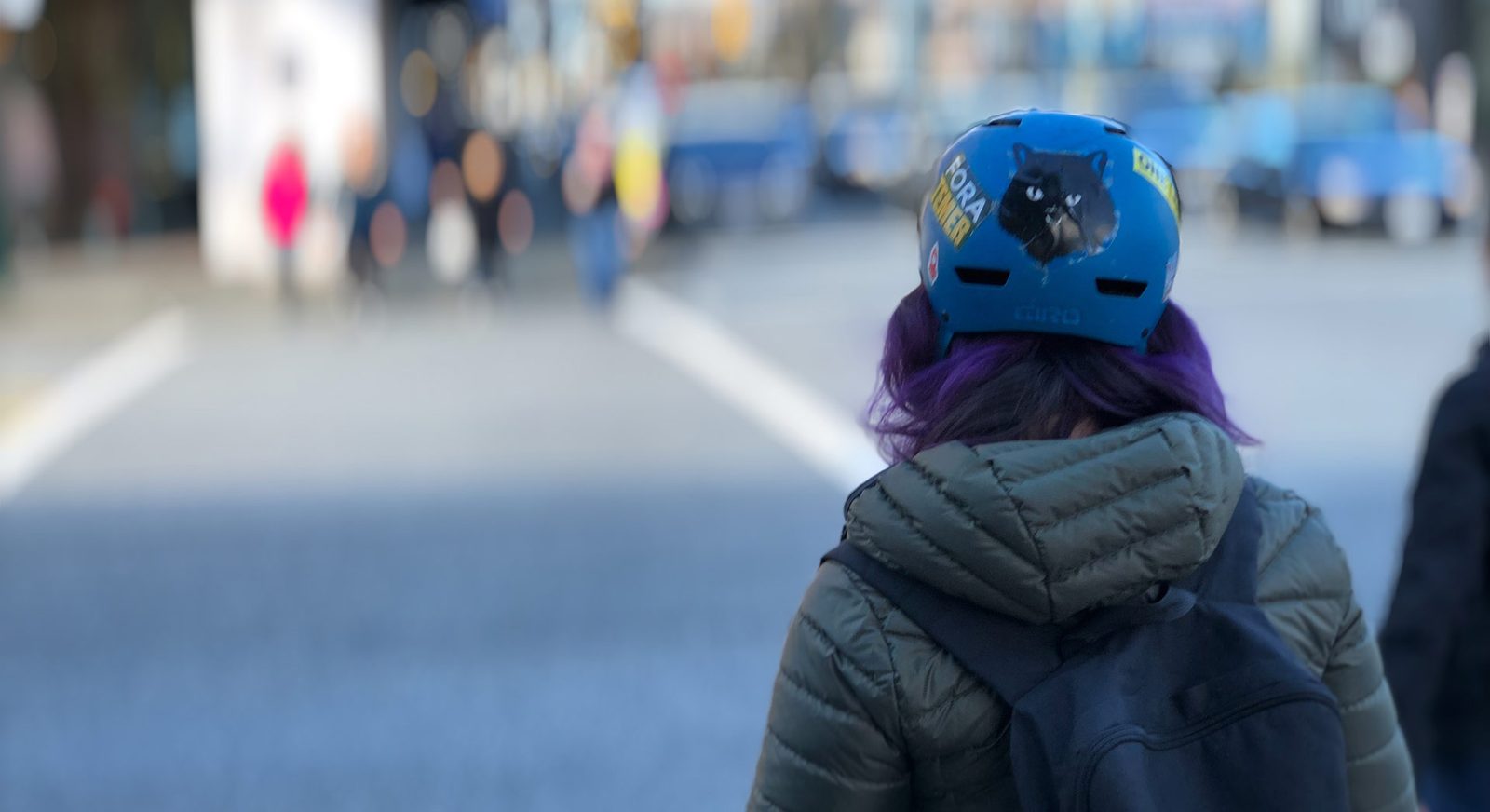
There's a thing of beauty about sunny and hot days. Back home - in Brazil - those used to be my default, but in Vancouver temperatures only rise above 25°C a handful of times through the year (usually packed in a few weeks in July).

We're on the third in a row of these days today. I spent all three of them wandering outside. Not "doing things outside", just moving from place to place either on foot or biking. After every couple of hours I'd settle on a patch of grass, or a beach, or a park bench and simply exist there.

That's usually a challenging task for me. My mind is constantly racing with the things I need to get done, or bubbling up with new ideas, questions and reflections. In these sunny days it all quiets down and, just like my cat, all I need is to move somewhere without a roof over my head and lay there.

I don't know if it's just me, but my mood is directly related to how sunny each day is. There's not much that could be better today.
Day-to-Day

"Fortune but Finally."

July 8, 2018

When I went to Japan earlier this year, Ari and I went to a temple to get our fortunes. The one I got is the title of this post. At first I was confused on what that could mean, but as I read through it, my fortune couldn't be more right - and it sucked. Here are the exact words:

"You will be suffering from disease and get depreciated by other people. You are always attacked by danger, so you can't get through everything. When spring comes, you may meet a happiness. You should make a perfect and good plan and wait for a good chance, with patience."

"*Your request will not be granted. *The patience will get well in a little while. *Lost article will not be found. *The person you wait for arrives late. *Building a new house and removal are both well. *Now is a good time to start a trip. *Both any kind of marriage, and new employment are medium fortune."

"But Tito, if you'll get what you want in the end, why does it suck so much? At least it's not a bad fortune!"

You know what? Maybe a bad fortune would've been better. I'd at least know that NOTHING would work out and just let go of all worry and stress. The fact that things eventually get sorted is what sucks, because they don't get sorted out by themselves: I have to do it all myself. It's not like this is something new that I just read or thought about. Ask my parents, my sister, ask my therapist, or my girlfriend! For as long as I can remember I've always got to where I wanted, but the costs to succeeding have always been way higher than expected or planned for. Not like $50 or $500 kind of higher but "Tito-you're-dying-and-you-should-get-some-sleep-or-look-for-a-doctor" higher.

This led me to become a very negative person for almost everything in life. This is what I've experienced so far: if something can go wrong, it will go wrong. If something is surefire to work out, luck will find a way to mess it up and it will go wrong. I've never had anything work out in the first try. Hell, most times I get to the tenth try and things are still broken. But I can't relax and accept things weren't meant to be because in the end they will work out as I die trying.

Do you want some examples? Here's a couple.

1 - I've been making videos on YouTube for three years every week. In the beginning of each video I say my name. The channel has my name and last name in writing. To this day, it's hard to come by someone either saying or writing my name right - and not just online. In my graduation ceremony they said my name wrong as I walked across the stage - they had a phonetic spelling! Remember how luck always finds a way to mess up surefire solutions? Anyway, English's doesn't have the right phonemes for people to say my name properly without trying hard, so I got used to people calling me anything that vaguely resembles my name. This week a big photo/video portal published a review that pointed to my channel. Needless to say they misspelled my name. Is there even a point in trying to get it right?

2 - Last week I bought some lights from China. They shipped through the fastest option provided by DHL. The package was supposed to arrive on Tuesday evening. I've grown used to my packages being delayed or disappearing for long stretches of time for no reason - all companies that tried have failed (UPS, CanadaPost, FedEx) - so to give DHL a better shot at success I stayed home all day. All they had to do was show up. I even signed a form that allowed them to deliver without getting a signature so if they tried the classic move of knocking too lightly, they'd still have to drop off the box at the door. At 7pm I checked tracking for it and it was marked as delivered. I walked out the door to get it but the box wasn't there. So I went to the front door - as some delivery folks are too lazy to go through the back - and it wasn't there either. I checked with our landlord and she had nothing for me.

Of course it was already too late to call their customer service, so I sent a message on their website. At 9am I get a response saying they'll call me with updates in two hours. You guessed it right. The call never came. So I gave them a few more hours just to make sure and then I called in. No updates, they guaranteed they'd have something for me the next day by 2pm. You also know where this is going, right? Next day, no package, no call. I called, they said the driver informed he delivered the package to the landlord, some guy named "R. Scott". Then I go "well, there's no R. Scott in the house I live". "Are you sure?". Dammit, phone person, I've lived here for more than a year. You think I wouldn't know? "Yes, I'm sure. I just asked my landlord once more and she said there were no packages delivered". "Oh, okay. On Monday we're telling the driver to go back and pick up the package wherever he dropped it".

And down the drain went my hopes of using these lights on the project I'm about to shoot, starting on Monday. Plus, how would I manage the issue from set? I just resigned to accepting failure.

Then, Saturday evening comes around and I get a text from my landlord saying that a gentleman two blocks down received the box by accident and brought it back to us. I can't believe my luck. After one week of trying hard, I finally succeeded - and not thanks to DHL. Fifteen minutes later I realize my wallet has jumped out of my pocket. Two hours looking for it yield no result. I am now without any documents, bank cards and money. I can't get a new card because I need ID, I can't get new ID because I can't go anywhere this week since I'm on set. It's gonna be a fun week. I figured the best way to save money is to have no access to it at all. Let's see how that goes.

I just want a break. You know, for things to go well, or to go as planned, or even to go in a "phew-that-wasn't-impossible" way.

DISCLAIMER: I know there's tons more of people who are in a much harder situation and don't have the privilege I have to be where I am - but I still have the need to vent. This is a blog, and this is one of the most personal entries in a while. :)

Specials

"Great photos! You must have a great camera!"

June 16, 2018

If you take your craft seriously, the odds of having heard these words are quite high. Viewers link good images with great cameras. For the longest time this accusation has bothered photographers who felt their skills were downplayed. The interesting bit is that we're walking towards making the "great cameras = great photos" equation true! And they fit in your pocket.

arri alexa a great camera

Speaking of great cameras, here's an Arri Alexa with a cinema prime!

More than ten years ago I used to play with a Sony compact camera. Back then I believed that great photos could only be achieved with great cameras. Mine lacked everything I associated with great photos. It had no shallow depth of field, no wide dynamic range and beautiful color science. I also did not know these terms back then.

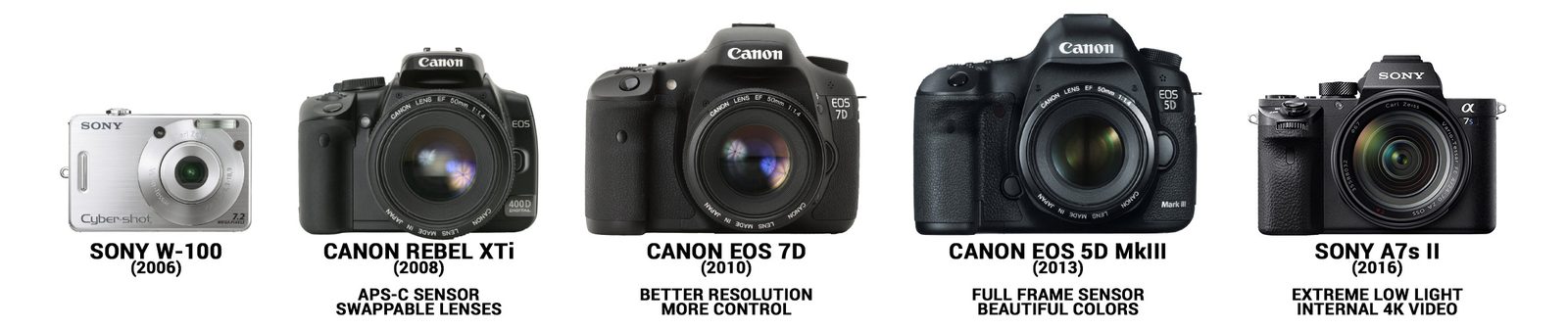
I got my first DSLR in 2008. A Canon Rebel XTi. I started learning a good camera makes things better but it won't prevent you from taking crappy photos. Most of mine fit the bill. I look at the total number of images shot on a project. Then I compare that to the number of images I export out of Lightroom. Back then, this used to be a 25:1 ratio. These days I'm at 3:1.

my great camera list

Over the years I have improved my photography skills considerably. I also improved my gear. From the XTi I went to a 7D, then to a 5D MkIII and lastly to a Sony A7sII. Every time I switched cameras I remember being blown away by the new capabilities and improvements on the image. Respectively color reproduction, full frame sensor and low light sensitivity. Each one of my cameras was stronger than the ones preceding it. That was never guarantee photos would turn out great. I could still make blurry images, light them horribly and make poor decisions about depth of field.

false bokeh using depth maps

During this trajectory I took more than a few photos I'm proud of. Many times I heard the bothersome "Woah! This is such a great photo! You must have a great camera!". I also got the reverse when people saw me working. "With a great camera like that I bet all your photos turn out flawless". Many of these people were close enough friends. To these people I was able to explain the camera is just a tool and without someone behind it to push the right buttons the quality of the photos is not guaranteed.

During my learning process I also watched the rise of smartphones. I used to write a column for a photography magazine back in Brazil (2012-13). There I saw big photographers arguing about the point of an image taken with a phone by an untrained eye. This was a particularly hot topic in the journalism community. Regular folks (non-photographers) would be closer to a story when it broke, snapping photos on their phones and recording precious developments in real time. This happened way faster than getting a photographer to the scene.

The pros would get up in arms about the media outlets using low-quality, phone-shot images. "These are not good photos!" they'd say, "Then you should've been there faster", magazines, newspapers and TV channels would reply. Phone cameras and lower entry-prices for digital cameras represented the democratization of photography, an extreme boom in popularity. Everyone was now a photographer. But not everyone was able to make a living out of it. Sometimes even established photographers had a hard time!

Until recently it was easy to tell when a photo was taken using a phone or an actual camera. This changed. Through the use of dual-lenses and/or machine learning, smartphones experienced an unparalleled upgrade in image quality. This is where optical photography lines start to blur as we introduce the powers of computational photography.

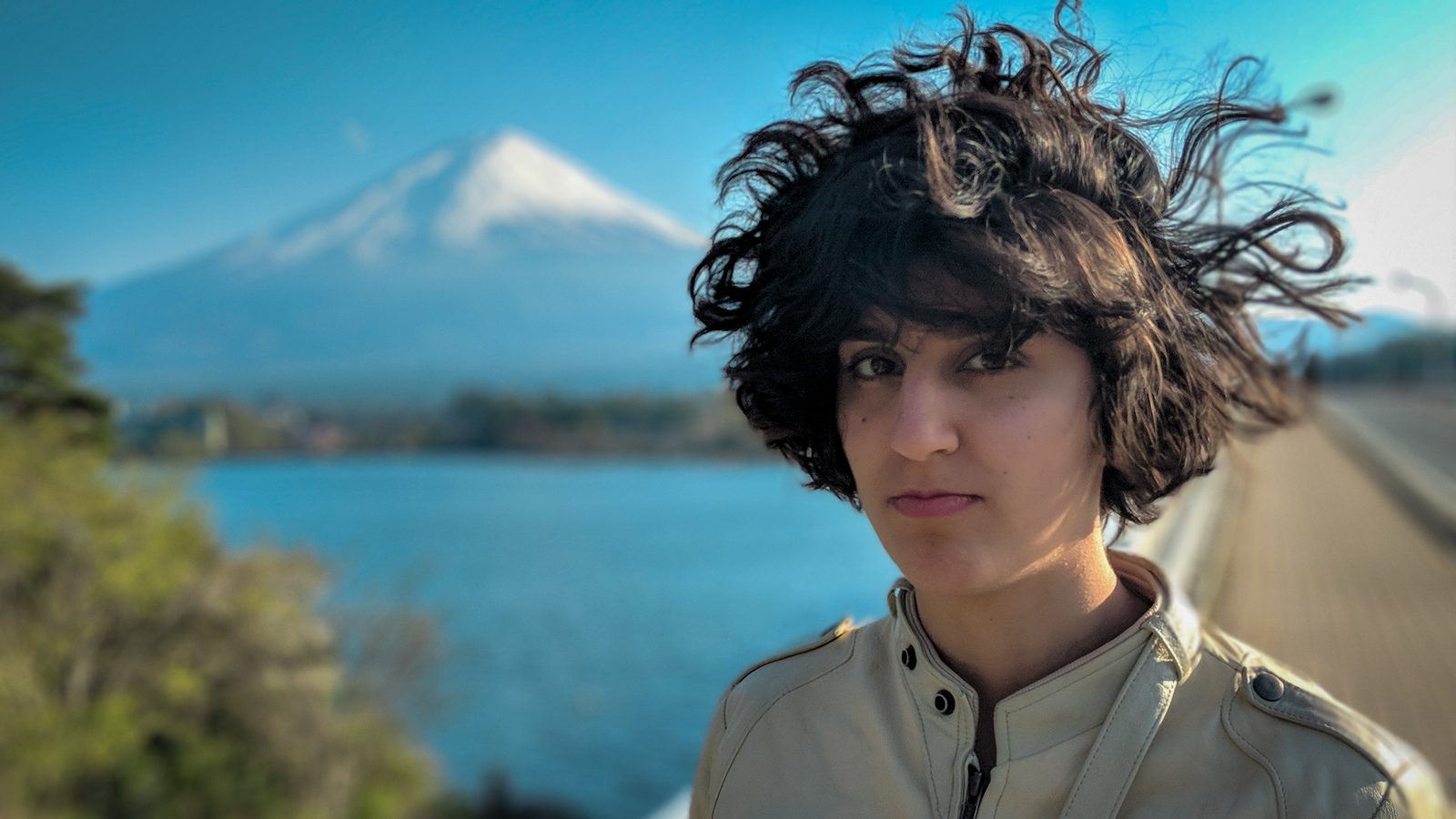
ariana and mt fuji

Wikipedia has the perfect definition: "Computational photography ... refers to digital image capture and processing techniques that use digital computation instead of optical processes. Computational photography can improve the capabilities of a camera, or introduce features that were not possible at all with film based photography, or reduce the cost or size of camera elements". Smartphones are taking advantage of their strong processors to bring in serious upgrades over their optically limited cameras.

The latest iPhones (7 Plus, 8 Plus, X) use two lenses - a wide-angle and a telephoto - in order to create a depth map of the scene in front of its lenses. With said map it's easy to realistically simulate out-of-focus areas like a full-sized camera would. The difference is the depth map gives you freedom to manipulate that data in ways your camera wouldn't. You can change the lighting of the scene to some extent, you can create impossibly shallow - yet accurate - depth of field, as well as you can change your focus point after pressing the shutter. None of this is particularly new = the Lytro camera kicked around with a similar concept ages ago - but it has never been so accessible and easy to play with. Apps like Focos and Anamorphic allow cost under $5 and allow you to fiddle the results of your dual-camera shots.

[/image-comparator]

Hover over the image to see the difference between the original photo and the one using the depth map in the Focos app

Apple's approach can be seen as conservative when compared to the solutions implemented in Google's Pixel 2. The Pixel relies on a single lens camera and the full force of its artificial intelligence. It stacks and aligns up to nine photos taken on a burst in order to achieve maximum dynamic range as well as to create its own depth map based on the camera movement and the parallax in the scene. Not only that, its AI has been taught what a person looks like and as soon as they find something that fits the bill, they'll make sure that part of the shot is in focus.

This leads to amazing photos coming out of a fairly inexpensive, light and multi-functional device when compared to a full-size camera. Plus, the photographer doesn't need to make any decisions. Photos taken by my 7-year old niece and taken by me can look just as good with the press of a single button.

If you want to read more about the technical wonders coming out of smartphones, Rishi Sanyal's article "Why smartphone cameras are blowing our minds" on DPReview has been a great source of inspiration for my own article.

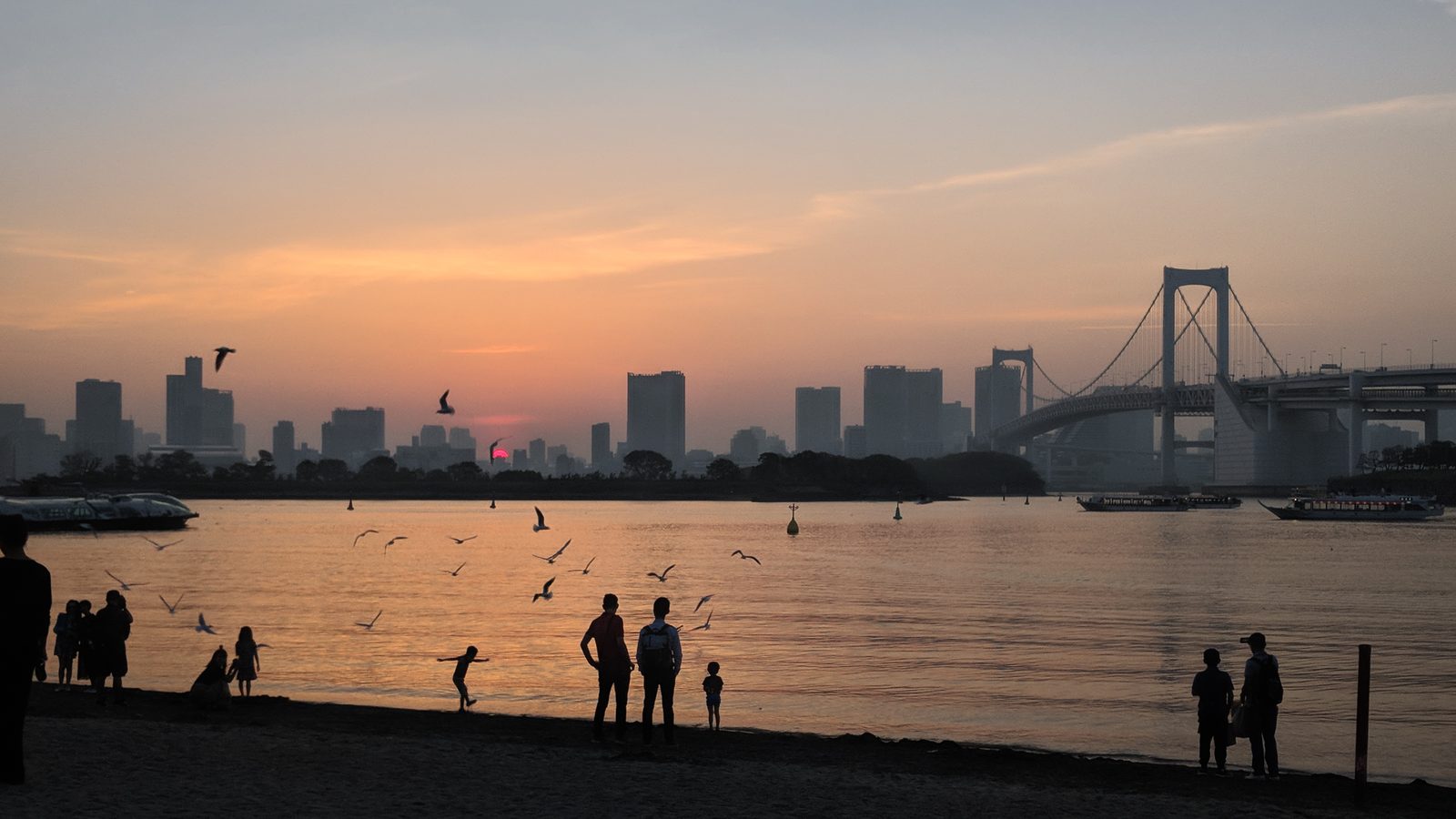
great sunset on the Pixel 2 camera

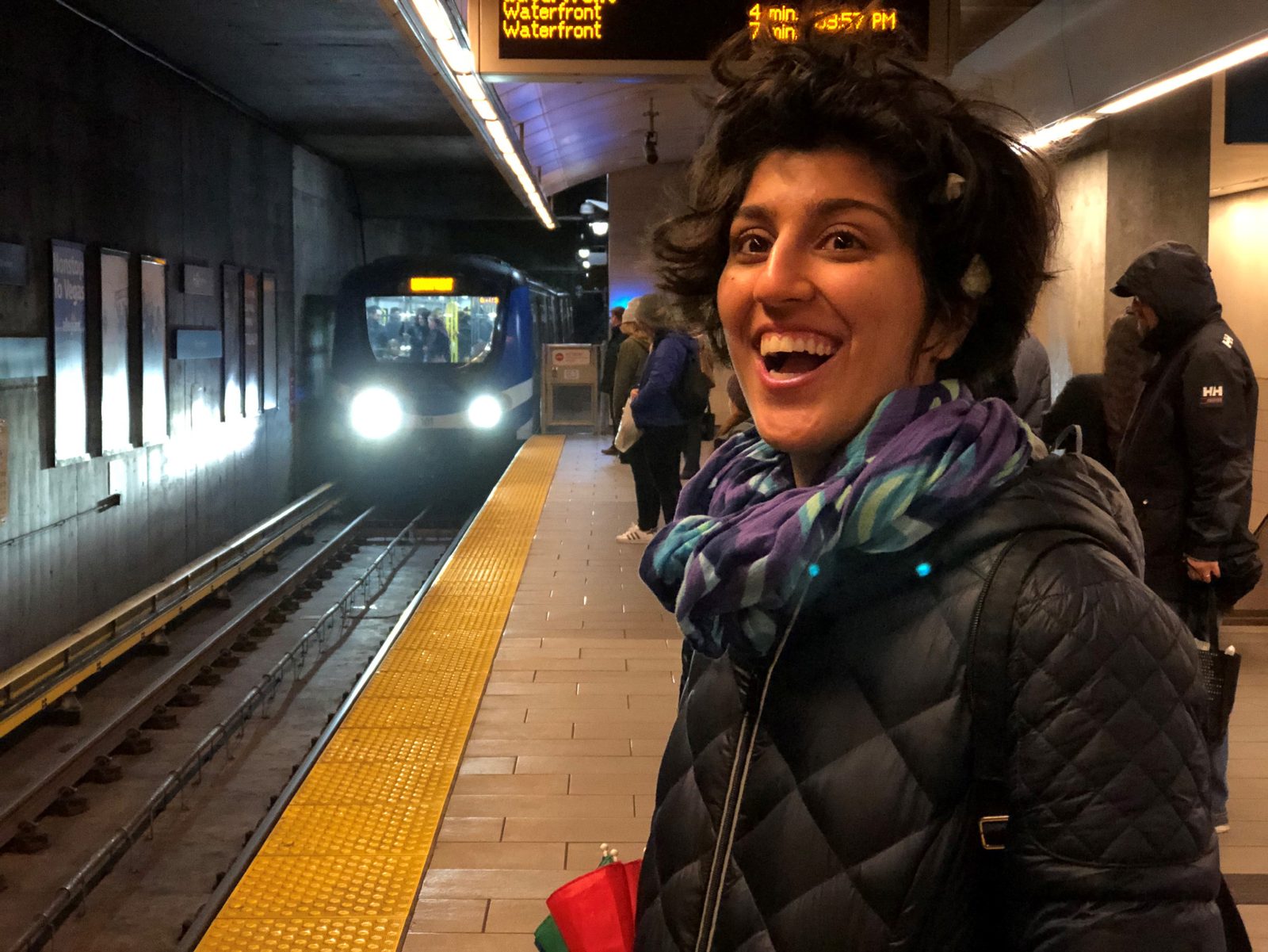
This makes now a time when someone can say "Great photos! You must have a great camera!" attributing the quality of the images solely to the equipment used and not be wrong! At the same time computational photography levels the playing field of day-to-day photography, it makes other skills stand out - for example framing and lighting are things machines are not good at just yet, among other subtleties we pick up while honing our craft. It goes to say if you're only able to take good photos because you have a good camera, things are about to get tough! Just to paint a clearer picture, all the photos in this post were taken with an iPhone 8 Plus and a Google Pixel 2.

Anamorphic

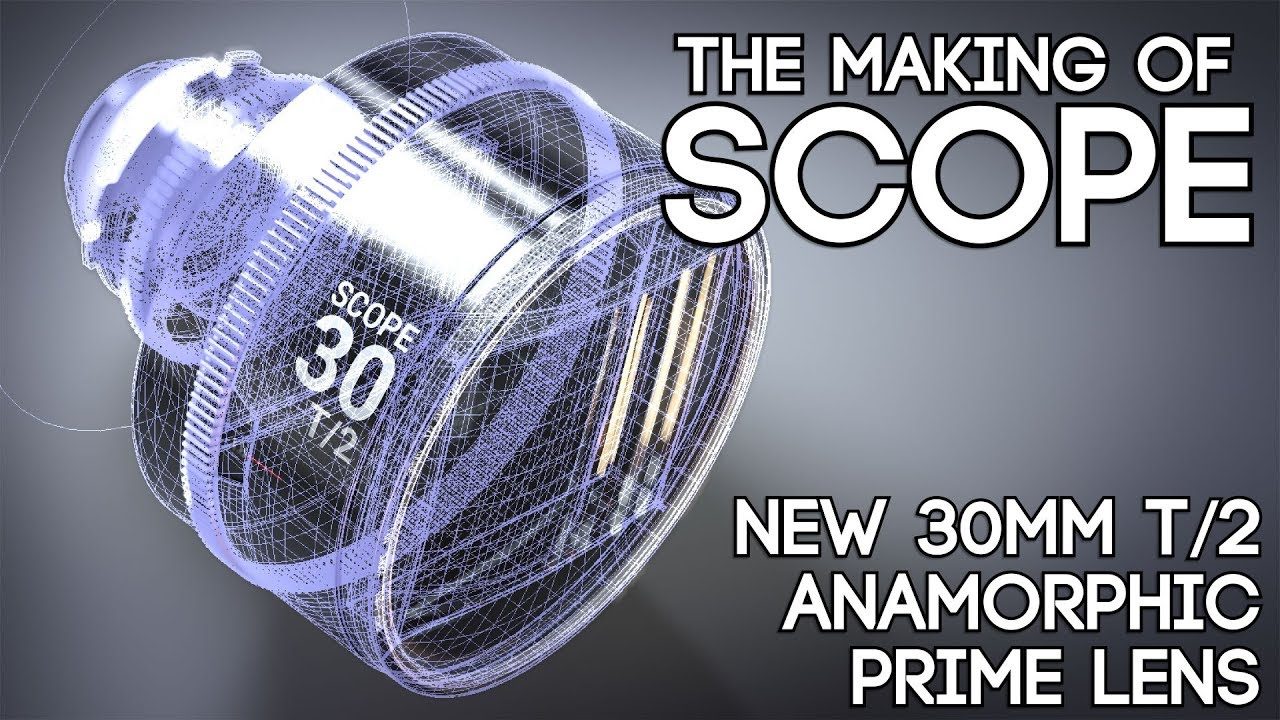
The Making of SCOPE

April 8, 2018

I'm sorry to break it to you, but SCOPE wasn't real. Here's the making of SCOPE and how I created all the parts of that video, plus a warning about promises and expectations regarding anamorphics.

Anamorphic

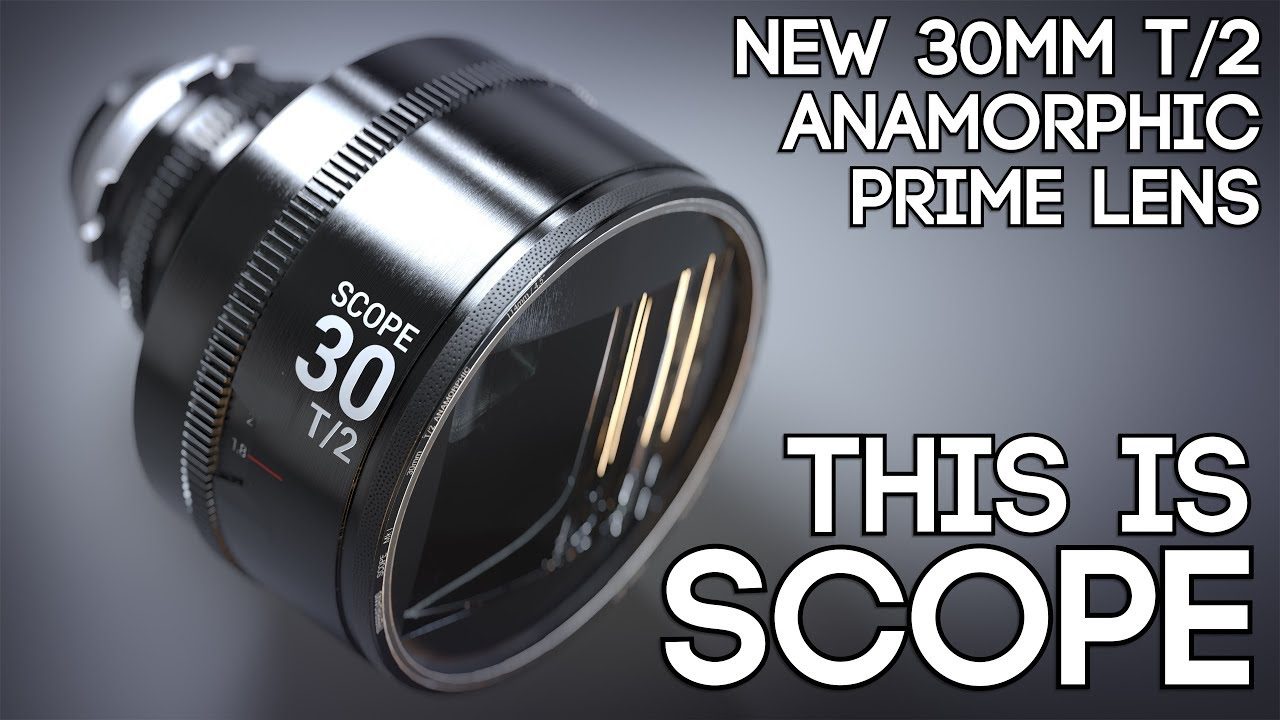
This is SCOPE - 30mm T/2 2x Anamorphic Lens

April 1, 2018

I made a lens! SCOPE is what I've been working on for the longest time. This is a 30mm T/2 2x Anamorphic Lens!

TECH SPECS

  • 30mm Lens for S35 sensors
  • T/2.0
  • 2x Anamorphic squeeze
  • 1.2m / 3'11" Minimum focus distance
  • Geared focus and iris rings
  • Single focus operation
  • Filter Tray for 114mm / 4.5" filters
  • Swappable EF and PL mount